
Amboseli in the Dry Season: Why Photographers Love This Route
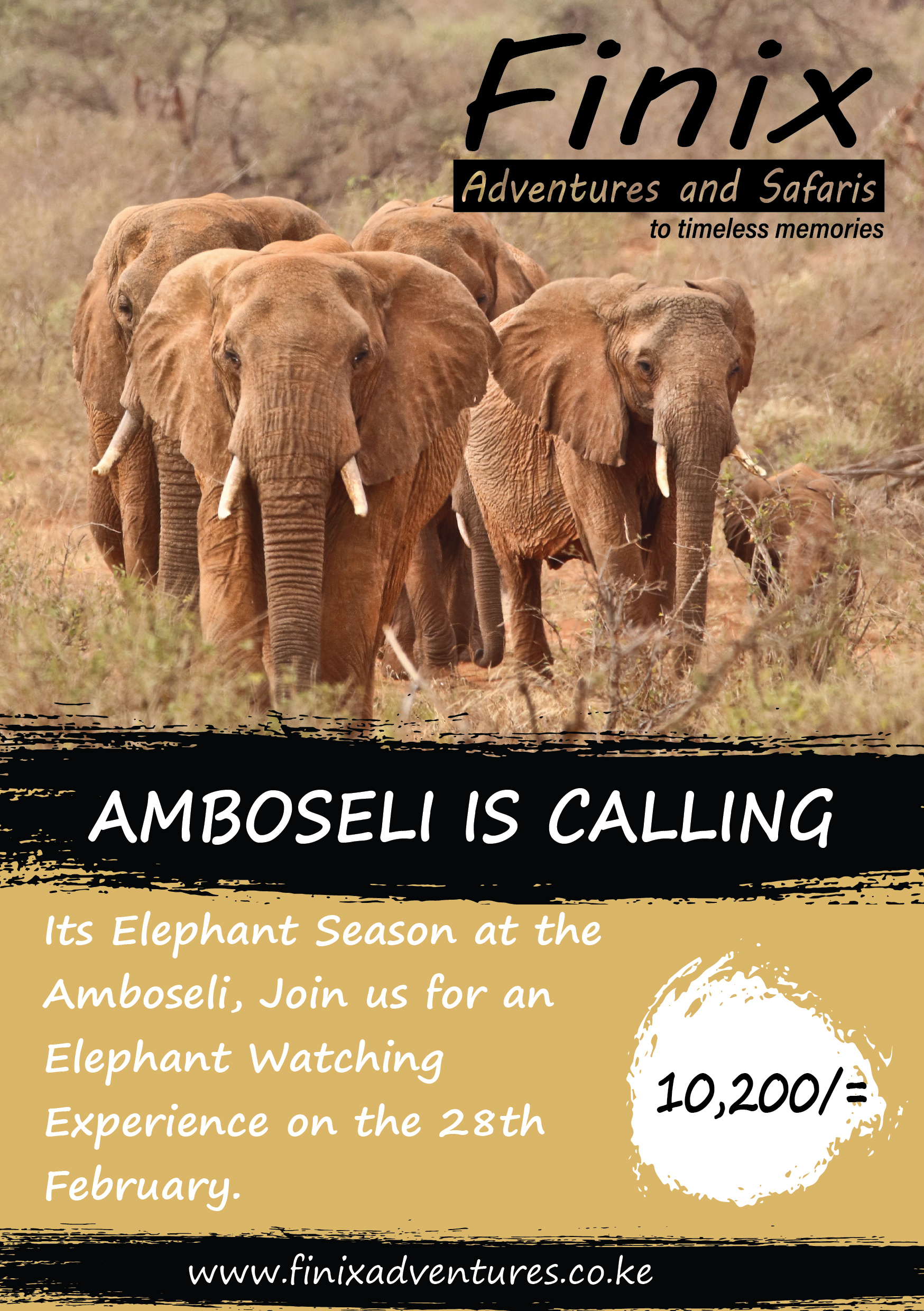
Few safari destinations in Africa offer the dramatic visual impact of Amboseli National Park during the dry season. With vast golden plains, shimmering heat horizons, large elephant herds and the towering presence of Mount Kilimanjaro rising in the background, Amboseli becomes a dream location for photographers between June and October and again from January to February.
The dry season transforms the park into a natural studio. Light, dust, wildlife movement and open landscapes combine to create some of the most iconic safari images in Kenya.
Clear Skies and Perfect Mountain Backdrops
One of the biggest reasons photographers love Amboseli in the dry season is visibility.
During wetter months, cloud cover often hides Mount Kilimanjaro. In the dry season, mornings are typically clear, offering crisp views of Africa's highest peak. The mountain appears snow-capped and majestic, especially at sunrise when golden light hits its slopes.
Photographers often position themselves early in the morning to capture elephants walking across the plains with Kilimanjaro framed perfectly behind them. These compositions are among the most sought-after wildlife images in East Africa.
Concentrated Wildlife Around Water Sources
Amboseli's ecosystem is supported by underground water from Mount Kilimanjaro's glaciers. Even during dry months, swamps and marshes remain active.
As grass dries across the plains, animals gather near these permanent water sources. This concentration makes wildlife easier to locate and photograph.
Large elephant herds dominate the landscape. Amboseli is famous for its elephants with some of the largest tusks in Africa. In the dry season, they are often seen walking in dusty formations, drinking at swamps or bathing in mud.
Other species commonly seen include lions, cheetahs, hyenas, buffalo, giraffes, zebras and wildebeests. Because vegetation is shorter and less dense, visibility improves dramatically.
For photographers, fewer obstructions mean cleaner frames and sharper compositions.
Dramatic Dust and Golden Light
Dry conditions create dust trails as elephants and other animals move across the plains. When backlit by the rising or setting sun, this dust creates a glowing halo effect around wildlife.
This phenomenon adds depth, texture and emotion to images. Silhouettes become more powerful and action shots gain atmosphere.
Sunrise and sunset in Amboseli during the dry season are particularly intense. The light is warm, soft and directional. It enhances the golden grasslands and creates long shadows that add dimension to wildlife scenes.
Photographers often describe Amboseli's dry season light as cinematic.
Better Road Conditions and Access
Dry months mean firmer ground and more accessible roads. Certain tracks that may be muddy or flooded during rains become easier to navigate.
This allows safari vehicles to position themselves more strategically for optimal angles. Photographers can adjust placement for background alignment, sun direction and subject movement without worrying about getting stuck.
Smooth access also allows for longer and more flexible game drives, increasing the chances of capturing rare moments.
Ideal Conditions for Wide Angle and Telephoto Photography
Wide Angle Opportunities
The combination of elephants, acacia trees, open skies and Mount Kilimanjaro provides stunning environmental portraits. Wide lenses capture the scale of the landscape and emphasize the grandeur of the setting.
Telephoto Opportunities
Short grass and concentrated wildlife make telephoto photography highly effective. Clean backgrounds help isolate subjects such as lions resting in the open or cheetahs scanning for prey.
Because animals are more predictable near water sources, photographers can anticipate movement and prepare their framing in advance.
Elephant Capital of Africa
Amboseli is often called the elephant capital of Africa. The park is known for its well-studied elephant families and large tuskers.
In the dry season, elephants walk long distances between feeding areas and swamps, creating perfect opportunities for storytelling sequences. Calves follow mothers through dust clouds, bulls spar gently in the open plains and entire herds gather at water edges.
Photographers value Amboseli because elephant behavior is easier to observe and document here than in many other parks.
Bird Photography in the Swamps
While large mammals dominate attention, Amboseli's swamps remain active bird habitats during dry months.
Species such as herons, egrets, kingfishers and fish eagles are frequently seen near water. Flamingos may also appear depending on conditions.
The contrast between dry grasslands and lush green swamp vegetation provides visual variety within the same park.
Predictable Wildlife Movement
During the dry season, animal patterns become more consistent. Wildlife tends to follow daily routines around water access points.
This predictability allows photographers to plan routes more effectively. Early morning drives often focus on elephant crossings and predator movement. Mid-morning may shift toward swamp activity. Late afternoon is ideal for dust backlit scenes.
Knowing where animals are likely to be increases the chances of capturing high quality images within limited time.
Fewer Visual Distractions
Tall green grass can obscure wildlife during the rainy season. In contrast, dry season landscapes offer cleaner sight lines.
Short grass improves focus tracking and reduces unwanted foreground clutter. For photographers seeking minimalist compositions or strong silhouettes, this simplicity is a major advantage.
Why This Route Is a Photographer's Favorite
Many safari routes in Kenya offer excellent wildlife, but Amboseli's dry season delivers a unique combination of elements rarely found together.
- Consistent views of Mount Kilimanjaro
- Large visible elephant herds
- Golden open plains
- Dust-enhanced lighting effects
- Reliable wildlife sightings
- Accessible terrain for vehicle positioning
These factors make the dry season route through Amboseli especially appealing for wildlife photographers, travel bloggers and documentary filmmakers.
Best Time of Day for Photography
Early morning from 6:00 am to 9:00 am offers clear mountain views and soft golden light.
Late afternoon from 4:00 pm until sunset provides dramatic backlighting and dust illuminated scenes.
Midday photography can still be productive near swamps, but light tends to be harsher.
Conclusion
Amboseli National Park in the dry season is more than just a safari destination. It is a visual masterpiece shaped by light, landscape and wildlife.
For photographers, it offers rare alignment between environment and subject. Clear skies reveal Mount Kilimanjaro in full glory. Elephants move gracefully across golden plains. Dust adds drama to every step.
Whether you are a professional wildlife photographer or a passionate traveler with a camera, Amboseli during the dry months provides the perfect canvas for unforgettable images.
