Mount Kenya Region Guide

Mount Kenya Region: Where Alpine Wilderness Meets Rich Culture

The Mount Kenya region is one of Kenya's most breathtaking and diverse destinations, blending towering mountain scenery, ancient forests, wildlife-rich ecosystems and living cultural traditions. At its center stands Mount Kenya, the second-highest mountain in Africa, rising to 5,199 meters above a landscape of valleys, moorlands, glacial lakes and protected highland forest.

Landscape and Ecosystem

The Mount Kenya region is defined by dramatic altitude changes that create multiple ecological zones, each with its own visual character and biodiversity.

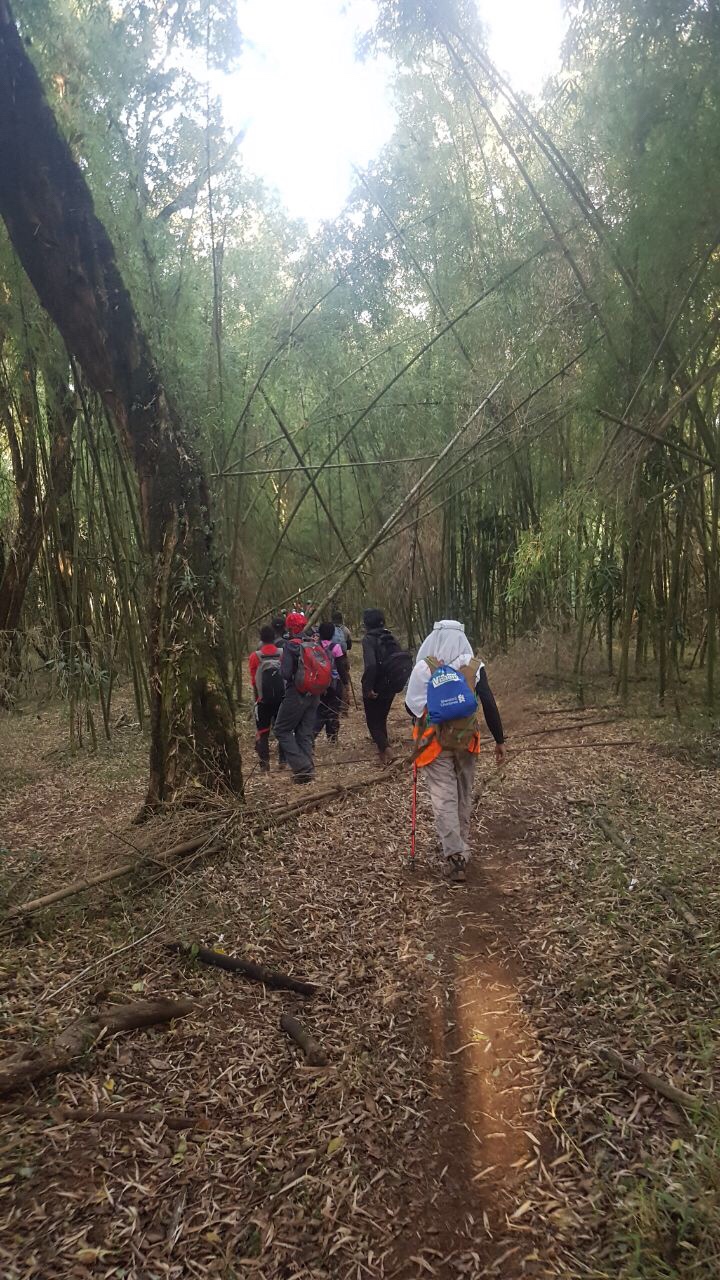
As visitors move upward from the foothills, the environment transitions from cultivated highland landscapes and dense montane forest into bamboo belts, moorlands, glacial valleys and rocky alpine peaks.

These habitats include montane forests rich with wildlife, bamboo thickets, moorlands filled with giant lobelia and groundsel and high alpine terrain shaped by cold temperatures, glaciers and exposed rock.

Mount Kenya's snowfields and glaciers also serve as an important water catchment system for central Kenya, feeding rivers that support communities, agriculture and ecosystems far beyond the mountain itself.

Wildlife of the Mount Kenya Region

Although the region is best known for trekking and alpine scenery, the surrounding forest ecosystem supports a remarkable range of wildlife and birdlife.

Forest wildlife

Animals commonly found in the region

  • African elephants
  • Buffaloes
  • Leopards
  • Hyenas
  • Colobus monkeys
  • Bushbucks
  • Forest hogs
Birdlife

Highland forest bird species

Birdlife is also abundant across the forest ecosystem, with sunbirds, eagles, turacos and hornbills among the species frequently spotted in the region's woodlands and mountain-edge habitats.

Mountaineering and Trekking

Mount Kenya is one of Africa's most rewarding trekking and mountaineering destinations, attracting hikers, climbers and nature travelers from around the world.

The mountain has three main peaks: Batian, Nelion and Point Lenana. Batian and Nelion require technical climbing experience, while Point Lenana is the most popular summit for trekkers.

The main trekking approaches include the Sirimon, Naro Moru and Chogoria routes. Each offers a different mountain experience, ranging from forest entry and moorland crossings to waterfalls, alpine lakes and dramatic ridgelines.

Reaching Point Lenana at sunrise remains one of the most memorable mountain experiences in Kenya, with sweeping views across the central highlands as the first light hits the peaks.

Culture and Communities

The Mount Kenya region is deeply connected to the traditions of the Kikuyu, Embu and Meru communities, whose histories and livelihoods have long been shaped by the mountain.

For the Kikuyu people in particular, Mount Kenya holds strong spiritual significance. Traditionally known as Kirinyaga, meaning "the place of brightness," the mountain is associated with Ngai, the supreme deity.

Many traditional homes were historically oriented toward the mountain as a sign of reverence. Today, visitors can still experience local culture through farming traditions, storytelling, community markets, handicrafts and regional cuisine.

These interactions add depth to a Mount Kenya journey by revealing how local identity, spirituality and land use remain tied to the highland environment.

Scenic Attractions Around Mount Kenya

The wider Mount Kenya region offers a rich set of supporting attractions beyond the summit routes, making it an excellent destination even for travelers who are not attempting a high altitude climb.

Nature highlights

Scenic places to explore

  • Ngare Ndare Forest with canopy walk and waterfalls
  • Mount Kenya Forest Reserve
  • Chogoria Waterfalls
  • Tea and coffee farms across the central highlands
Trip style

Why the region works beyond trekking

These surrounding attractions make the region ideal for nature walks, photography, birdwatching, forest experiences and slower highland stays that combine scenery with cultural and ecological depth.

Best Time to Visit

The Mount Kenya region can be visited year round, but trekking conditions and visibility improve significantly during the drier seasons.

Best trekking windows

The most favorable periods are January to March and June to October, when trails are typically drier and views of the peaks are clearer.

Wetter months

Even during rainier periods, the region remains lush and atmospheric, offering richer greenery, fewer crowds and strong landscape photography conditions.

Visibility advantage

Dry-season clarity improves long-range views of the peaks, highland valleys and ridge systems across the mountain region.

Planning note

Mount Kenya works well as a standalone adventure or as a cool-climate contrast to Kenya's warmer savannah safari circuits.

Why the Mount Kenya region is one of Kenya's most remarkable destinations

The Mount Kenya region offers a completely different kind of Kenya journey, where alpine wilderness, ancient forest, wildlife, waterfalls and cultural heritage replace the usual image of open savannah. Whether you are trekking toward Point Lenana, exploring forest trails or connecting with the traditions of local communities, the region delivers one of the country's most diverse and memorable travel experiences.

Chat on WhatsApp
Instagram TikTok WhatsApp Group