The Great Wildebeest Migration in Kenya and Tanzania
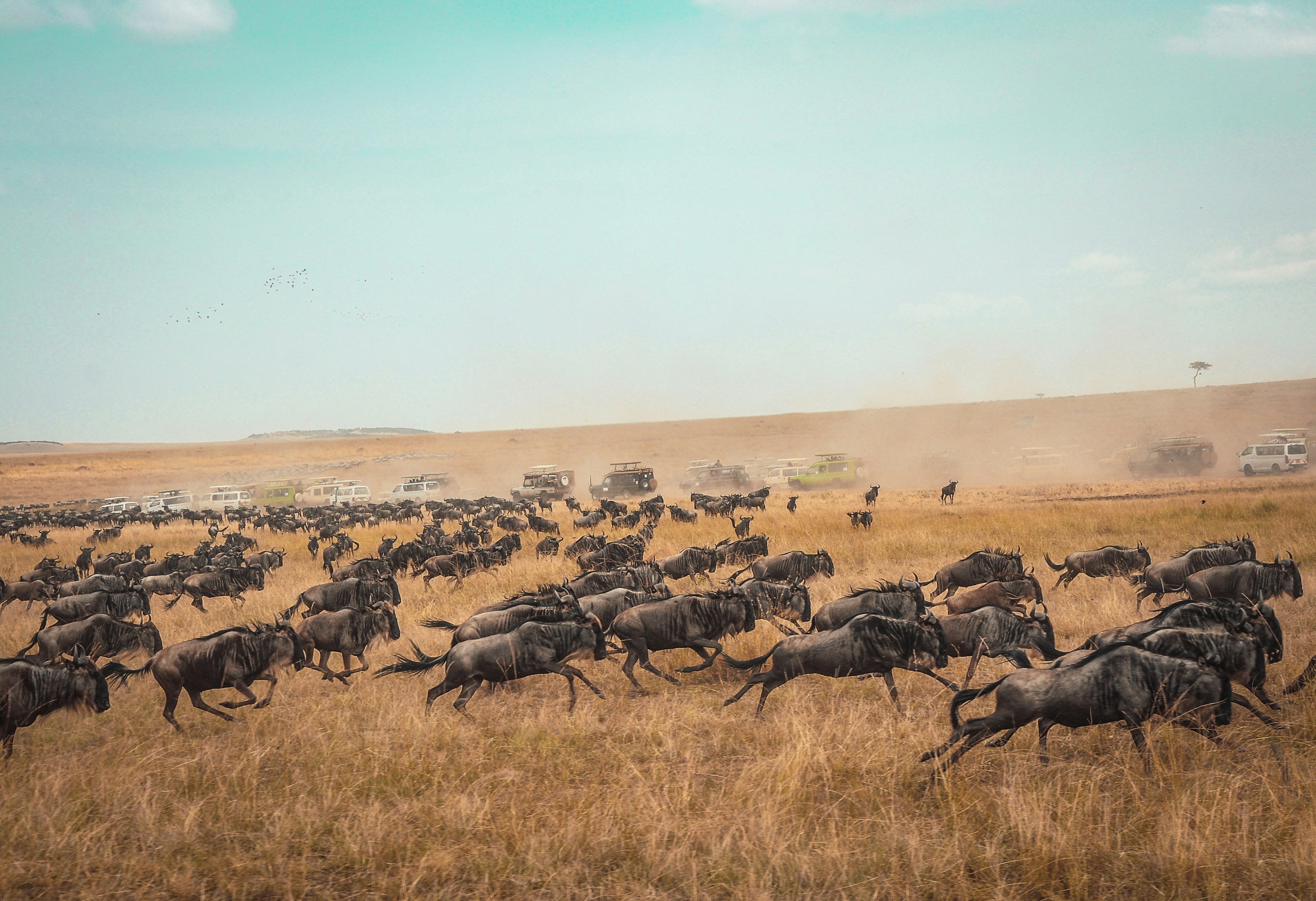
The Great Wildebeest Migration is one of the most extraordinary natural events on Earth - a continuous, year round journey of over 1.5 million wildebeests, accompanied by hundreds of thousands of zebras and gazelles, moving across the vast ecosystems of the Serengeti in Tanzania and the Maasai Mara in Kenya. This awe inspiring movement is driven by one simple force: survival.
For travelers seeking an authentic African safari experience, witnessing the migration is nothing short of magical. It is raw, dramatic, unpredictable and deeply humbling. Planned well, it becomes more than a holiday. It becomes one of the defining wildlife experiences of a lifetime.
Migration Route Overview
The migration follows a clockwise loop between Tanzania and Kenya, shaped by seasonal rainfall patterns and grass availability. Understanding this rhythm is essential if you want to choose the right safari window and the right region for your trip.
What is the Wildebeest Migration?
Often called the Great Migration or the World Cup of Wildlife, this phenomenon is not a single event but a continuous circular movement. The herds follow the rains in search of fresh grazing and water, creating a natural rhythm that repeats every year.
Along the journey, the animals face extreme challenges - crossing crocodile-infested rivers, navigating predator territories and enduring long treks across harsh landscapes. It is a powerful story of life, survival and renewal and one of the strongest reasons travelers choose premium East African safaris.
January to March: Calving Season in Southern Serengeti
The migration begins in the southern Serengeti and Ndutu region. During this period, over 500,000 calves are born within a few weeks, attracting predators such as lions, cheetahs and hyenas.
This is one of the most dramatic periods of the migration, offering intense wildlife action and opportunities to see newborn animals taking their first steps. For travelers who value predator behavior, emotion and open-plains photography, calving season is one of the most rewarding safari windows in Tanzania.
April to June: The Long Trek North
As the rains diminish, the herds begin moving northwest through the central and western Serengeti. This phase is characterized by long columns of animals stretching across the plains.
While less dramatic than river crossings, it offers breathtaking scenery and fewer crowds, making it ideal for a more relaxed safari experience. It is also an excellent season for travelers who want to combine migration viewing with broader Kenya safari tours and East African wildlife exploration.
July to October: Mara River Crossings in Maasai Mara
This is the most iconic phase of the migration. The herds arrive in the Maasai Mara and face the perilous Mara River crossings.
Thousands of wildebeests plunge into crocodile-filled waters in chaotic, high-adrenaline scenes. These crossings are unpredictable and often involve long waits, but when they happen, they are unforgettable. This is the prime season for travelers targeting a true migration safari in Kenya.
It is also the strongest window for guests exploring Maasai Mara safari packages, especially when paired with smart camp positioning and a proper 4x4 Land Cruiser safari for game drives.
November to December: Return to Serengeti
As short rains begin, the herds move back south into Tanzania, completing the migration cycle and preparing once again for calving season.
The landscapes turn green and the crowds thin out, offering a quieter and equally rewarding safari experience. For travelers who prefer softer pace and less congestion, this can be a beautiful shoulder-season migration window.
Why the Migration Happens
The migration is driven by rainfall and grazing patterns. Wildebeests instinctively follow fresh grass, ensuring access to nutrients necessary for survival and reproduction.
Unlike other migrations, there is no fixed timeline. Everything depends on nature. That is why the best migration safaris are planned around seasonal patterns, guide expertise and flexibility rather than rigid assumptions.
Wildlife You Can Expect to See
The migration attracts a wide range of wildlife, creating one of the richest ecosystems in Africa. It is not only about wildebeests; it is about the full ecological drama that surrounds them.
Predator Action
Lions stalking the herds, cheetahs hunting in open plains, leopards hidden in riverine trees and hyenas competing for prey.
River Drama
Crocodiles lurking in the Mara River and the tension of crossing decisions that can change the entire mood of a game drive.
Big Safari Species
Elephants, giraffes and buffaloes often share the same habitat, making migration itineraries feel rich even between herd surges.
Companion Herds
Zebras and gazelles move with the migration, adding scale, rhythm and variety to wildlife viewing and photography.
Best Time to See the Migration in Kenya
The best time to witness the migration in the Maasai Mara is between July and October, when river crossings occur and wildlife density is at its peak.
However, each stage of the migration offers unique experiences, from calving season to the long trek across the plains. The best safari for you depends on whether you are chasing predator action, open landscape drama, crossings or a quieter wilderness atmosphere.
Tips for Planning a Migration Safari
- Book early, especially for peak season and premium camp locations.
- Choose a 4x4 Land Cruiser for the best comfort and wildlife viewing.
- Stay inside or close to the reserve to reduce transfer time.
- Carry a good camera, but also allow time to simply watch the behavior unfold.
- Be patient, as wildlife movements are unpredictable and crossings do not happen on demand.
In practice, four to six days is an ideal safari length if you want enough time to track herd movement, wait for key moments and still enjoy unhurried game drives.
Why Travel with Finix Adventures
Finix Adventures offers expertly guided migration safaris designed to maximize your experience. With knowledgeable guides, well planned itineraries and comfortable accommodations, you are assured of being in the right place at the right time.
Whether you are planning a dedicated migration trip, comparing safari packages or building a wider East African journey around Maasai Mara and other Kenya highlights, our team helps match the season to the experience you want most.
Plan Your Migration Safari with Finix Adventures
Explore premium migration safaris, Kenya wildlife itineraries and expertly timed Maasai Mara safari packages designed for high-value wildlife viewing and stronger booking confidence.
Frequently Asked Questions
What is the best time to see the migration?
In Kenya, July to October is generally best for Maasai Mara herd concentrations and river crossing opportunities.
Is the migration in Kenya or Tanzania?
It is in both countries. The herds move between Tanzania's Serengeti ecosystem and Kenya's Maasai Mara through the year.
How many days are ideal?
Four to six days is a strong migration safari length because it gives you time to track the herds and wait for prime wildlife activity.
Where do river crossings happen?
Crossings are most famously seen in the Maasai Mara and northern Serengeti, although exact crossing points depend on rainfall and herd movement.
Conclusion
The Great Wildebeest Migration is more than just a safari. It is a natural wonder that showcases the raw beauty and power of Africa's wildlife. From the thunder of hooves across the plains to the explosive tension of Mara River crossings, every chapter of the migration offers something unforgettable.
If there is one safari experience that belongs on every traveler's bucket list, this is it. Done well, it becomes a story you carry long after the journey ends.