The Lion: King of the Savannah
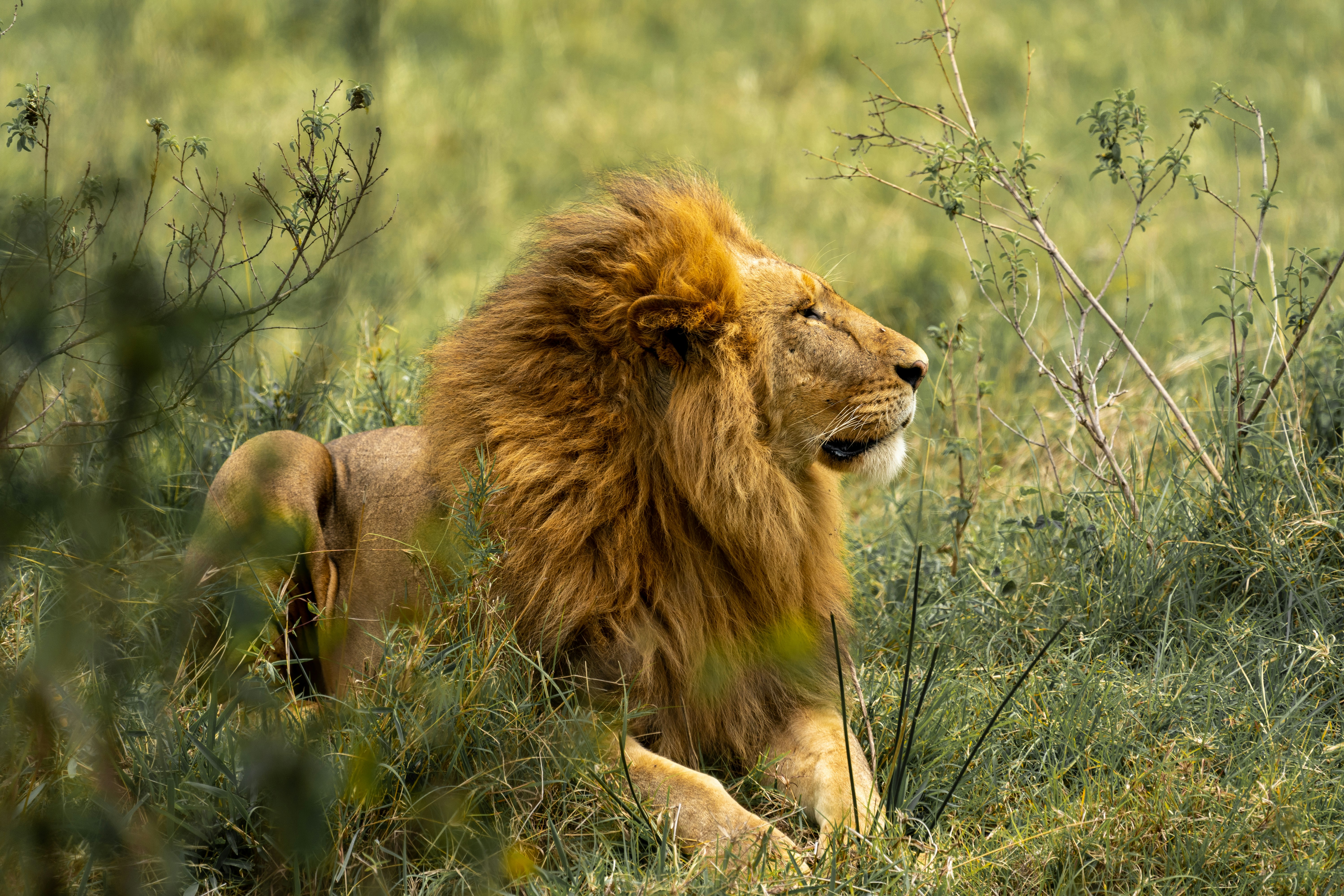
Often called the King of the Jungle, lions actually belong to grasslands, savannahs and open woodlands rather than dense forests. Their power, social behavior and commanding presence have made them symbols of strength for centuries, but in the wild they are also one of the most important predators in the African ecosystem.
Physical Characteristics and Adaptations
Lions are the second-largest big cats after tigers. Adult males usually weigh between 150 and 250 kilograms, while females generally range from 110 to 180 kilograms. Male lions are known for their mane, which can vary from light blonde to deep black and helps signal health, age and dominance while offering some protection during fights.
Lionesses do not have manes and are more agile, making them the pride's primary hunters. Their tawny coats blend well into dry savannah grass, while their muscular bodies, strong jaws and retractable claws make them effective ambush predators built for short explosive attacks rather than long chases.
Habitat and Distribution
Lions are mainly found across sub-Saharan Africa, with a small Asiatic population surviving in India's Gir Forest. In East Africa, Kenya remains one of the best places to see them in the wild, especially in open country parks where prey, shade and water are all available within the same broader ecosystem.
Kenya's lion habitats include the vast plains of Maasai Mara, the open wetlands and grasslands of Amboseli, the rugged wilderness of Tsavo, the urban-edge wildlands of Nairobi National Park and the semi-arid terrain of Samburu.
Best Places to See Lions in Kenya
- Maasai Mara National Reserve: Kenya's strongest overall lion destination, with large prides, open plains and year round sighting potential.
- Amboseli National Park: Excellent lion country with the added visual drama of Mount Kilimanjaro and prey-rich swamp edges.
- Tsavo East and Tsavo West: Famous for the red lions and a wilder, less crowded safari feel.
- Nairobi National Park: One of the world's most unusual places to see lions, with wilderness close to the city skyline.
- Samburu National Reserve: A quieter and more remote lion-viewing option in a semi-arid landscape.
During the Great Migration, Maasai Mara becomes especially dramatic because wildebeests and zebras provide abundant prey. Tsavo offers a rougher and more expansive wilderness, while Nairobi National Park works well for short safaris and Samburu suits travelers who want a less crowded route.
Social Structure: Life in a Pride
Lions are the only truly social big cats. They live in groups called prides, typically made up of related females, cubs and a coalition of one to three males. Lionesses form the stable core of the pride and usually remain together for life, cooperating in hunting and cub care.
Males are more transient and are mainly responsible for defending the pride against rivals. This social system improves survival through shared protection and cooperative hunting, but it also creates tension around food access, mating rights and leadership.
Hunting, Diet and Daily Behavior
Lions mainly hunt zebras, wildebeests, buffaloes and antelopes. Lionesses do most of the hunting, using stealth, teamwork and timing to get close before launching a powerful ambush. Once prey is taken, dominant males often eat first, followed by females and cubs.
Lions are also opportunistic. They may scavenge, steal kills or feed heavily on one large meal and then rest for long periods. They are most active during the night, early morning and late afternoon, which is why these are the most productive safari drive windows for lion sightings.
Reproduction and Cub Rearing
After a gestation period of about 110 days, a lioness usually gives birth to one to four cubs. Cubs are born blind and rely fully on their mother in the early weeks. In many prides, lionesses give birth around the same time and help nurse and protect one another's cubs, which improves survival.
Even with communal care, cub life is difficult. Many do not reach adulthood because of starvation, predation or pride takeovers by incoming males. Those that survive begin learning feeding order, social behavior and hunting patterns at an early age.
Communication and Behavior
Lions communicate through roaring, scent marking, body posture, facial expression and physical contact such as grooming. Their roar can travel for several kilometers and helps with territory defense, pride coordination and warning off rivals.
Lions are usually most active during the night, in the early morning and in the late afternoon. During the heat of the day, they often rest under trees or in shade, conserving energy for later movement and hunting.
The Role of Lions in the Ecosystem
As apex predators, lions are essential to savannah balance. By regulating herbivore populations, they reduce overgrazing pressure and support healthier vegetation. Their kills also feed scavengers such as hyenas, vultures and jackals, spreading ecological value beyond the pride itself.
Threats and Conservation
Lions face major threats from habitat loss, human wildlife conflict, declining prey numbers and illegal wildlife pressure. Conservation in Kenya depends on protected areas, wildlife reserves, ranger enforcement and stronger coexistence with communities living near lion range.
Responsible tourism also matters. Safari revenue helps protect habitats while giving travelers a direct connection to wildlife conservation.
Lions in Culture and Tourism
Lions are deeply tied to ideas of bravery, leadership and nobility across Africa and around the world. For safari companies like Finix Adventures, lions are not just a highlight species. They represent the raw power, beauty and ecological importance that make the African wilderness unforgettable.
Plan Your Lion Safari with Finix Adventures
We can help you choose the right park, drive windows and route structure for stronger lion sightings, whether you want a classic Maasai Mara safari, a Tsavo wilderness circuit or a short Nairobi-linked wildlife escape.
Conclusion
The lion is far more than a symbol of majesty. It is a social, adaptive and ecologically vital predator whose presence shapes the rhythm of the savannah. Protecting lions means protecting the wider ecosystems they help keep in balance.
If you are planning a Kenya safari, destinations such as Maasai Mara, Amboseli, Tsavo, Nairobi National Park and Samburu offer some of the best opportunities in Africa to see lions in the wild. Experiencing them in their natural habitat is one of the strongest connections a traveler can have to the untamed spirit of Africa.