
Nairobi National Park: The World's Only Wildlife Capital
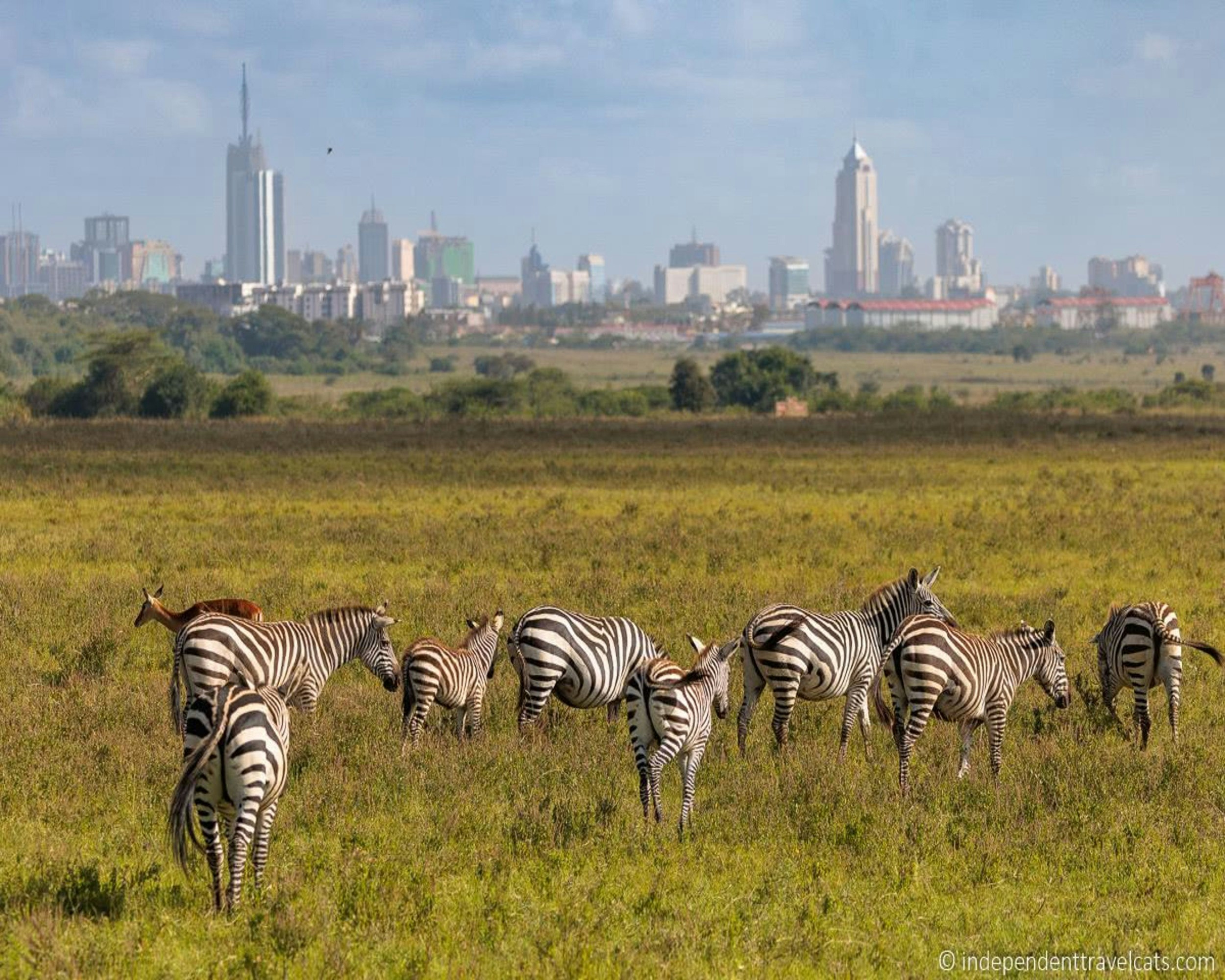
Located just 7 kilometers from the heart of Nairobi, Nairobi National Park offers one of the most extraordinary safari experiences in Africa. Nowhere else in the world can you watch lions roam freely with a modern city skyline rising in the background.
Established in 1946, it is Kenya's first national park and remains one of the country's greatest conservation success stories. Covering approximately 117 square kilometers, the park may be smaller than other famous reserves, but it delivers exceptional wildlife sightings within a short time.
For visitors with limited time in Nairobi, it is the perfect destination for a half day or full day safari.
Best Time for a Game Drive
Nairobi National Park is open throughout the year, but wildlife viewing varies depending on season and time of day.
Best Months to Visit
The dry seasons, from June to October and from January to February, are considered the best months for game viewing. During this period, grass levels are lower and animals gather around water sources, making them easier to spot. Roads are also more accessible and less muddy.
The wet seasons, from March to May and from November to December, transform the park into a lush green landscape. This is the best time for birdwatching as migratory species arrive and the scenery becomes particularly beautiful for photography. However, wildlife may be more dispersed due to the abundance of water.
Best Time of Day
Early morning game drives between 6:00 am and 9:00 am provide the highest chances of seeing predators such as lions, leopards and hyenas before the heat of the day sets in. Late afternoon drives between 4:00 pm and 6:30 pm are also productive, as animals become more active again.
Midday drives can still be rewarding, especially near water bodies where animals rest and drink.
Animals You Can Expect to See
Big Cats and Predators
Lions are commonly seen, especially in the open plains and southern sections of the park. Cheetahs prefer wide grasslands and are often spotted scanning for prey from elevated termite mounds. Leopards are more elusive and are typically found in wooded areas and near riverine vegetation. Spotted hyenas are frequently seen during early morning hours.
Rhinos
The park is one of Kenya's most important rhino sanctuaries. Both black and white rhinos are protected here, making it one of the best places in the country to see these endangered animals in their natural habitat.
Grazers and Herbivores
Large herds of buffalo roam the park, while giraffes move gracefully through acacia woodlands. Plains zebras, elands, hartebeests, impalas, gazelles and wildebeests are commonly seen across the savannah. Warthogs are also abundant and often spotted grazing near roads.
Hippos and Crocodiles
The Mbagathi River forms the southern boundary of the park and is home to hippos and Nile crocodiles. These are best viewed at designated areas such as Hippo Pool.
Birdlife
With over 400 recorded bird species, the park is a paradise for bird enthusiasts. Secretary birds patrol the grasslands, crowned cranes are seen in wetlands and martial eagles soar overhead. During the wet season, migratory species add to the diversity.
The Athi Kapiti Ecosystem Crisis
Although Nairobi National Park is fenced on three sides, its southern boundary remains open to allow wildlife migration into the greater Athi Kapiti plains. This larger ecosystem historically supported seasonal movements of wildebeests, zebras and other herbivores.
Rapid urban expansion, land subdivision, fencing and infrastructure development in the Athi Kapiti area have significantly reduced migration corridors. As a result, wildlife dispersal areas are shrinking, leading to habitat fragmentation and increased human wildlife conflict.
Conservation organizations and the Kenyan government have proposed wildlife corridors to reconnect Nairobi National Park with the greater Athi Kapiti ecosystem. Protecting these corridors is essential for maintaining genetic diversity, supporting seasonal movements and ensuring long term survival of species within the park.
Without these dispersal areas, the park risks becoming an ecological island, limiting wildlife population growth and natural movement patterns.
Picnic Sites Available and Their Advantages
Ivory Burning Site
This historic site commemorates Kenya's strong stance against poaching, where ivory was publicly burned as a statement against the illegal wildlife trade. It offers open space, seating areas and scenic views of the plains.
Advantage: It combines conservation history with excellent wildlife viewing opportunities in surrounding grasslands.
Kingfisher Picnic Site
Located in a scenic area of the park, this site provides a peaceful environment surrounded by open plains.
Advantage: Ideal for relaxing lunch breaks with potential wildlife sightings nearby.
Impala Observation Point
Situated on slightly elevated ground, this site offers panoramic views of the park.
Advantage: Perfect for photography and observing herds grazing in the distance.
Mokoyiet Picnic Site
A quieter and less crowded option for visitors seeking a calm break during their game drive.
Advantage: Offers privacy and a more intimate bush experience.
Hippo Pool Picnic Area
Located near the Mbagathi River, this site allows visitors to observe hippos from a safe distance.
Advantage: Excellent for viewing aquatic wildlife and enjoying river scenery.
Drive Circuits and Specific Wildlife Viewing Points
Although there are no formally named circuits marked as separate routes, experienced guides follow strategic loops to maximize wildlife sightings.
Main Gate Circuit
Entering through the main gate, this route passes through central plains and woodland areas. Lions are often spotted in this section, particularly in early morning hours. Rhinos are frequently seen grazing in open fields along this route.
Southern Plains Circuit
This area is less congested and offers expansive views. It is one of the best places to spot cheetahs due to the open terrain. Large herds of zebras and wildebeests also frequent this region.
Riverine and Wetland Circuit
Following roads near the Mbagathi River and dams increases chances of seeing hippos, crocodiles and birdlife. Leopards are occasionally sighted in thicker vegetation along riverbanks.
Leopard Cliff Area
This elevated viewpoint offers sweeping views of the park. While leopard sightings are rare and require patience, the rocky outcrops and surrounding bush provide suitable habitat.
Dams and Waterholes
During dry months, animals concentrate around dams and seasonal waterholes. Buffalo, antelopes and sometimes predators can be observed here.
Advantages of Visiting Nairobi National Park
One major advantage is accessibility. Visitors can leave a city hotel in the morning and be on a game drive within minutes. This makes it ideal for business travelers, short term visitors, families and residents seeking a quick escape.
Another advantage is high wildlife density within a compact area. In just four to five hours, visitors can potentially see lions, rhinos, giraffes, zebras, buffalo and numerous bird species.
The park also plays a critical conservation role by protecting endangered species and serving as a wildlife education center for schools and researchers.
Conclusion
Nairobi National Park stands as a remarkable blend of wilderness and urban life. From early morning lion sightings to peaceful picnic lunches overlooking open plains, it offers an authentic safari experience without traveling far from the city.
Protecting the greater Athi Kapiti ecosystem remains essential to securing the park's future. As development pressures continue, conservation efforts must balance growth with ecological preservation.
For anyone visiting Nairobi, a game drive in this iconic park is not just an activity. It is a chance to witness wildlife thriving at the edge of a modern African capital.
