The Northern Safari Circuit in Kenya: A Journey into Untamed Wilderness
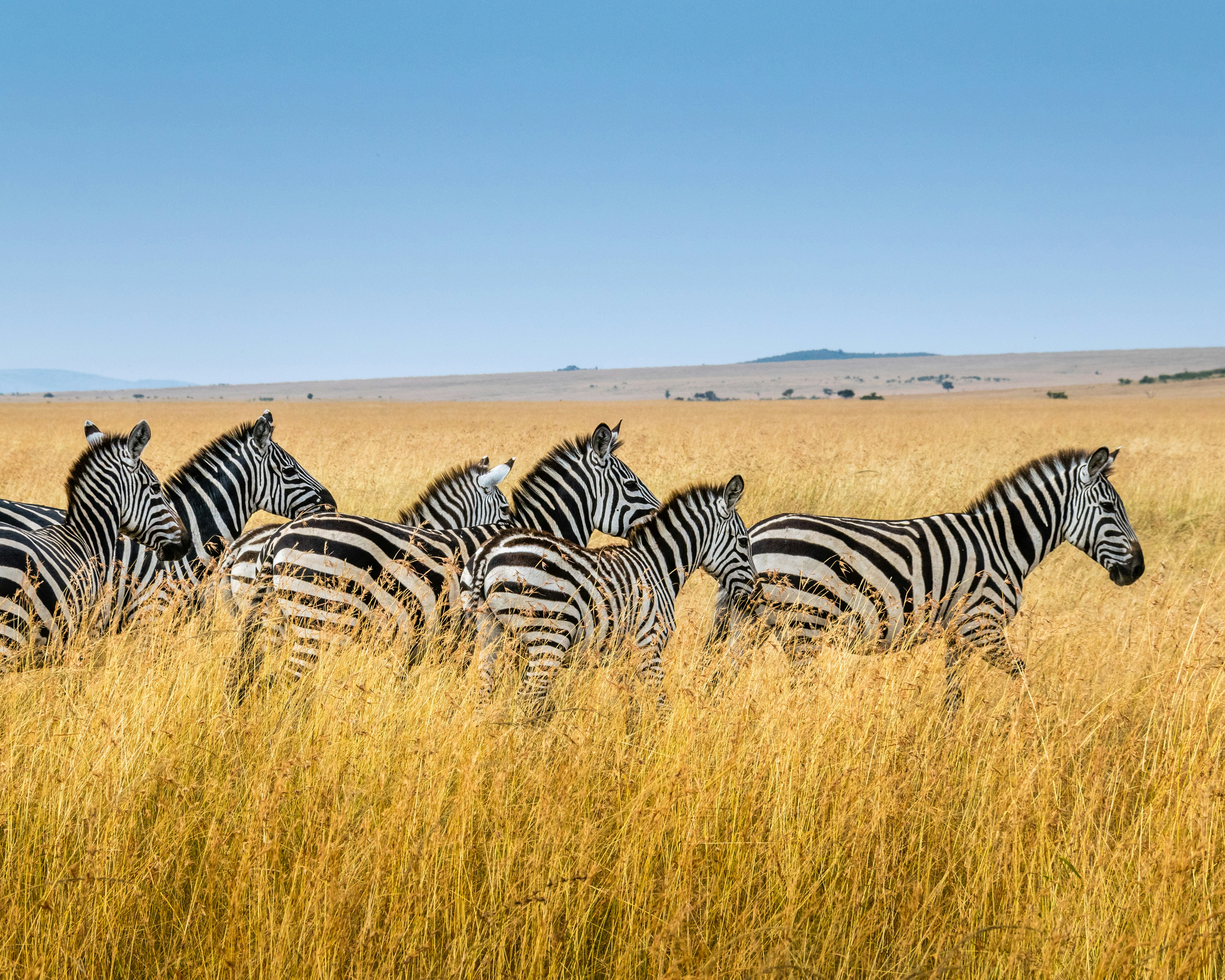
The Northern Safari Circuit in Kenya offers one of the most authentic, raw and exclusive safari experiences in Africa. Far from the more frequented southern parks, this region gives travelers a deeper connection to wildlife, landscape and culture, with a safari rhythm that feels less commercial and more genuinely wild.
A Landscape Unlike Any Other
Unlike the sweeping green plains of Maasai Mara northern Kenya is defined by semi-arid drama. Dry riverbeds, acacia-dotted plains, rocky outcrops, volcanic formations and huge open skies create a setting that feels harsher, quieter and more elemental.
The Ewaso Nyiro River is the circuit's lifeline. It cuts through the region and draws wildlife to its banks, especially during the dry season when water becomes the center of movement. This contrast between dry terrain and river-fed life is one of the reasons the north feels so visually striking and unpredictable.
Unique Wildlife: The Samburu Special Five
The northern circuit is famous for wildlife that is rarely seen elsewhere in Kenya. These dry country species are often called the Samburu Special Five and are one of the strongest reasons wildlife enthusiasts and photographers choose this route.
- Grevy's zebra, with its narrower stripes and larger ears.
- Reticulated giraffe, known for its striking geometric coat pattern.
- Gerenuk, the "giraffe gazelle" that stands on its hind legs to feed.
- Somali ostrich, recognizable by the male's blue legs and neck.
- Beisa oryx, a dry country antelope built for harsh semi-arid conditions.
Alongside these signature species, the circuit also supports large elephant herds, lions, leopards and rich birdlife. Because the region is less crowded, sightings often feel calmer, longer and more personal than in busier parks.
The Reserves of the Northern Circuit
The circuit is anchored by three neighboring reserves that together create one of the most distinctive safari ecosystems in Kenya.
Samburu National Reserve is the centerpiece. It offers some of the best wildlife viewing in the north, especially along the river and is the strongest base for seeing elephants, big cats and the Samburu Special Five.
Buffalo Springs National Reserve, located across the river, has natural springs and slightly greener pockets that attract animals even in the driest months. It pairs well with Samburu and gives the safari a broader ecological range.
Shaba National Reserve is the quietest and least visited of the three. Its volcanic terrain, scattered hills and stronger sense of isolation make it ideal for travelers who want solitude and a more reflective wilderness atmosphere.
Cultural Encounters with the Samburu People
Wildlife is only part of what makes the north compelling. The region also offers meaningful cultural experiences with the Samburu people, whose traditions remain closely connected to livestock, land, resilience and community.
A visit to a Samburu village can provide insight into traditional homes, beadwork, pastoral life and social structure. Compared with more commercialized cultural stops elsewhere, encounters in the north often feel more grounded and personal because the remoteness of the region has helped preserve everyday traditions.
A More Exclusive Safari Experience
One of the strongest advantages of the Northern Safari Circuit is exclusivity. Vehicle density is much lower than in high-traffic parks, which means fewer crowds at sightings, more room to stay with wildlife and a more immersive experience overall.
Many lodges and camps in the region are smaller and more intimate, focusing on personalized service and a stronger connection to place. This makes the north especially attractive for travelers who value privacy, photographers who need cleaner sightings and guests who want a quieter safari pace.
Best Time to Visit
The circuit can be visited year round, but the dry seasons from June to October and January to March generally offer the best wildlife viewing. Vegetation is thinner, animals gather more predictably around water sources and photography becomes easier because visibility improves.
The rainy months bring greener scenery and fewer tourists. Wildlife can be more dispersed, but the landscape becomes softer and more vibrant, which appeals to travelers who care as much about atmosphere and scenery as they do about high-intensity game viewing.
Accessibility and Travel Planning
The Northern Safari Circuit is accessible by both road and air from Nairobi. A road transfer gives a stronger sense of geography and transition into Kenya's drier frontier, while a short flight reduces travel time significantly and suits guests who want a more seamless safari start.
Because the north is more remote, the circuit works best as a guided safari package with strong logistics, experienced field guides and a route that balances wildlife, culture and comfortable pacing. It also combines well with destinations such as Maasai Mara or the Mount Kenya region for a more varied Kenya itinerary.
Conservation and Sustainability
Northern Kenya plays a major role in wildlife conservation. Community conservancies, conservation partnerships and locally involved tourism models help protect habitat while also supporting livelihoods. The Samburu people are closely tied to these efforts and tourism revenue can directly reinforce both wildlife protection and cultural continuity.
For travelers, this means the circuit is not only rewarding but meaningful. Visiting the region supports a model in which wildlife conservation, local communities and carefully managed tourism can reinforce one another rather than compete.
Why Choose the Northern Safari Circuit
This route is ideal for travelers who want fewer crowds, rarer wildlife, more authentic cultural contact and landscapes that feel untamed rather than curated. It offers a deeper safari mood, one that rewards patience, curiosity and a willingness to move beyond Kenya's most familiar tourism patterns.
Plan a Northern Kenya Safari with Finix Adventures
Finix Adventures can help build a northern Kenya route around Samburu, Buffalo Springs and Shaba, with the right travel pacing, lodge style, drive windows and cultural experiences for your safari goals.
Conclusion
The Northern Safari Circuit in Kenya is one of the country's most rewarding hidden gems. From the wildlife-rich riverbanks of Samburu to the quieter terrain of Buffalo Springs and Shaba, the region delivers a safari experience built on rarity, authenticity and space.
For travelers willing to go beyond the usual routes, the north offers unforgettable sightings, deeper cultural context and a more intimate connection to Kenya's untamed frontier. It is not just another safari destination. It is a journey into a wilder and more personal version of East Africa.