
How to Plan a One Day Nairobi Safari Without Missing the Highlights
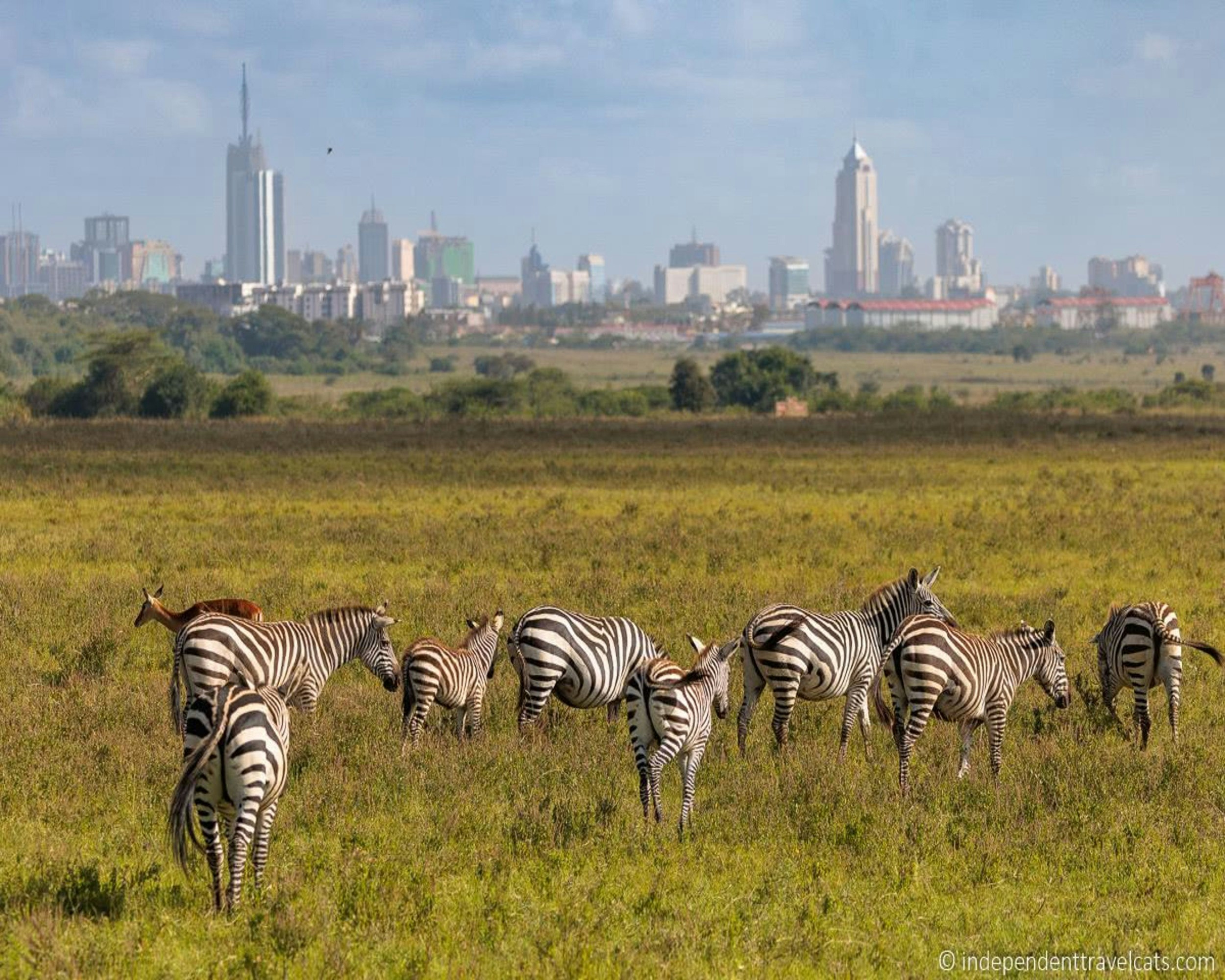
If you have limited time in Kenya but still want an authentic safari experience, a one day visit to Nairobi National Park is your best option. Located just minutes from Nairobi, this unique wildlife sanctuary allows you to see lions, rhinos, giraffes and more against the backdrop of a modern city skyline.
Planning properly is the key to ensuring you do not miss the highlights. Below is a detailed guide to help you organize the perfect one day Nairobi safari.
Step 1: Choose the Right Time of Year
Although the park is open all year, certain months offer better wildlife viewing.
The dry seasons from June to October and January to February are ideal. During these months, grass is shorter and animals gather around water sources, making them easier to spot.
The rainy seasons from March to May and November to December bring lush scenery and excellent birdwatching opportunities. However, wildlife can be more dispersed and some roads may become muddy.
If your schedule is flexible, aim for the dry season for higher chances of seeing predators and rhinos.
Step 2: Start Early for Maximum Wildlife Sightings
The park opens at 6:00 am. An early start gives you the best opportunity to see predators while they are still active.
Recommended Schedule
- 6:00 am: Entry through the main gate
- 6:00 am to 10:30 am: Morning game drive
- 10:30 am: Picnic break at a designated site
- 11:30 am to 1:30 pm: Continue exploring key areas
- 2:00 pm: Exit or optional afternoon extension
Wildlife activity slows down during the hottest part of the day, so early morning is the most productive time.
Step 3: Select the Right Vehicle
For the best experience, choose a 4x4 safari vehicle with a pop-up roof. This allows for better visibility and photography.
Although private cars are allowed, guided tours significantly increase your chances of spotting elusive animals such as leopards and cheetahs. Professional guides understand animal behavior and know where sightings were last reported.
Step 4: Focus on Key Wildlife Highlights
Big Cats
Lions are frequently spotted in the open plains, especially in the southern sections of the park. Cheetahs prefer wide grasslands and are often seen scanning for prey. Leopards are more elusive and usually found in riverine woodland areas.
Rhinos
The park is one of Kenya's most successful rhino sanctuaries. Both black and white rhinos can be seen grazing in open fields. Nairobi National Park offers one of the highest chances of seeing rhinos in a short safari.
Grazers
Expect to see zebras, giraffes, buffalo, elands, impalas, gazelles and hartebeests. Large herds of wildebeests may also be present, especially near the southern boundary.
Hippos and Crocodiles
Visit the Mbagathi River area and Hippo Pool to observe aquatic wildlife.
Birdlife
With over 400 bird species recorded, bird enthusiasts will enjoy sightings of secretary birds, crowned cranes, ostriches and various raptors.
Step 5: Follow a Strategic Game Drive Route
To avoid missing key areas, follow a well planned route.
Central Plains Circuit
After entering through the main gate, explore the central plains where lions and rhinos are often sighted. This area provides open views and good photographic opportunities.
Southern Plains
This region is excellent for cheetahs and large herds of grazers. It is less crowded and offers expansive landscapes.
Riverine and Wetland Areas
Drive toward the Mbagathi River and dams for hippos, crocodiles and birdlife. Riverine forests are also potential leopard habitats.
Leopard Cliff
An elevated viewpoint offering panoramic views of the park. While leopard sightings require patience, the scenery alone makes it worthwhile.
Step 6: Include a Picnic Break
Nairobi National Park has designated picnic sites where visitors can safely step out of their vehicles.
Popular picnic areas include Ivory Burning Site, Kingfisher Picnic Site, Impala Observation Point, Mokoyiet Picnic Site and Hippo Pool.
A picnic break allows you to relax, enjoy the scenery and refresh before continuing your drive. Always follow park rules and remain within designated safe areas.
Step 7: Consider Adding Nearby Attractions
If time allows, you can combine your safari with nearby conservation centers located near the park.
You may visit the David Sheldrick Wildlife Trust to see rescued baby elephants during feeding time.
The Giraffe Centre offers close encounters with endangered Rothschild giraffes.
The Karen Blixen Museum provides historical insight into colonial Kenya and the author of Out of Africa.
These additions turn a simple safari into a well-rounded Nairobi wildlife and cultural experience.
Step 8: Pack Smart for the Day
Bring the following essentials:
- Binoculars for better wildlife viewing
- Camera with extra batteries
- Drinking water
- Sun protection including hat and sunscreen
- Light snacks if planning a picnic
- Comfortable clothing in neutral colors
Avoid bright clothing that may disturb animals.
Step 9: Understand Conservation Challenges
The southern boundary of the park connects to the greater Athi Kapiti plains, which historically served as wildlife migration corridors. Urban expansion and land subdivision in these areas have reduced open dispersal zones.
Supporting responsible tourism and conservation initiatives helps ensure that the park continues to thrive despite development pressures.
Advantages of a One Day Nairobi Safari
Accessibility is the biggest advantage. You can leave your hotel in the morning and return by early afternoon.
The compact size of the park allows for high wildlife density and diverse sightings within a short timeframe.
It is also cost-effective compared to traveling to distant reserves such as Maasai Mara National Reserve or Amboseli National Park.
For business travelers, transit passengers, families and residents, it provides an authentic safari without long-distance travel.
Final Thoughts
A well planned one day safari in Nairobi National Park can deliver an unforgettable wildlife experience. By starting early, focusing on strategic routes and targeting key habitats, you can see lions, rhinos, giraffes, hippos and more within hours of arriving in the city.
With proper preparation and timing, you do not need multiple days to experience the magic of a Kenyan safari. One carefully planned day is enough to capture the essence of Africa's wildlife capital.
