Rhinos of Kenya: A Complete Guide to Species, Conservation and Safari Experiences
Kenya is one of Africa's most important strongholds for rhino conservation. Seeing a rhino (kifaru) here is not just a wildlife sighting. It is a direct connection to one of the continent's most significant conservation stories, shaped by decades of protection, restoration and anti-poaching work.
Understanding Rhinos (Vifaru): Ancient Giants of Africa
Rhinos (vifaru) are among the oldest land mammals, with ancestors stretching back millions of years. Despite their heavy build, they are agile, intelligent and highly adapted to their environment. As large grazers and browsers, they help shape vegetation patterns and influence wider ecosystem balance.
Their horn, made of keratin like human hair and nails, is also the main reason they have faced such intense poaching pressure. Kenya's rhino protection systems are therefore among the most intensive in Africa, combining ranger patrols, fenced sanctuaries, tracking, veterinary monitoring and community support.
The Black Rhino (Kifaru Mweusi): A Solitary Browser
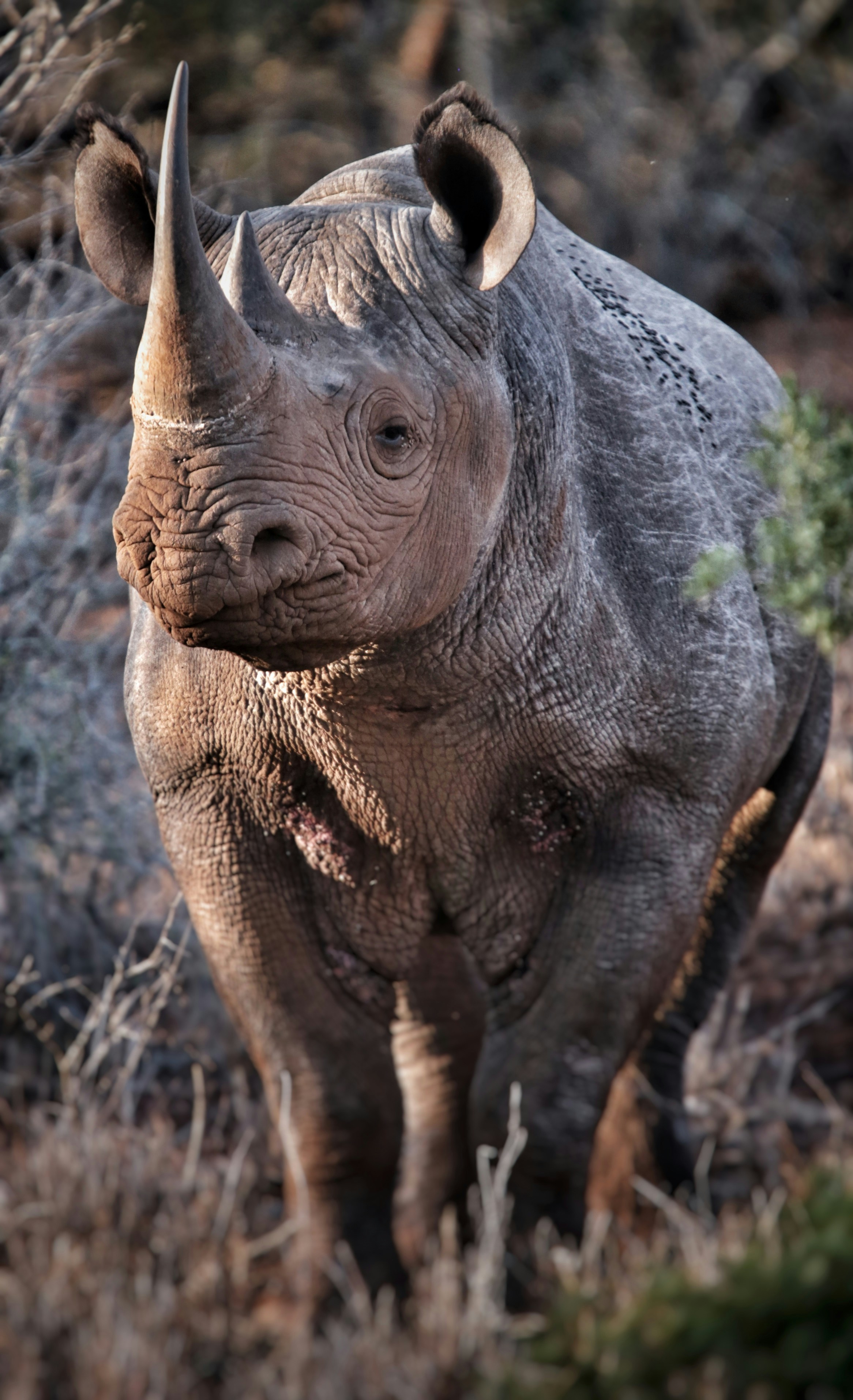
The black rhino (kifaru mweusi) is the more widespread rhino species in Kenya, though it remains critically endangered. Despite the name, it is not actually black. The label mainly serves to distinguish it from the white rhino (kifaru mweupe).
Black rhinos (vifaru weusi) are smaller and more compact than white rhinos (vifaru weupe) and their most distinctive feature is the pointed prehensile upper lip used to grasp leaves, branches and shrubs. This makes them browsers rather than grazers.
They usually weigh between 800 and 1,400 kilograms, tend to be solitary and rely heavily on smell and hearing rather than eyesight. In Kenya, strong black rhino populations are protected in places such as Lake Nakuru National Park, Ol Pejeta Conservancy and Maasai Mara National Reserve.
The White Rhino (Kifaru Mweupe): The Gentle Grazer
White rhinos (vifaru weupe) are larger and generally more social than black rhinos (vifaru weusi). The name does not come from their color, but is widely believed to come from a misunderstanding of the Afrikaans word wyd, meaning wide, a reference to the shape of the mouth.
White rhinos are the largest of all rhino species, often weighing between 1,800 and 2,500 kilograms. Their broad flat mouth is adapted for grazing, which is the easiest visual difference between them and black rhinos (vifaru weusi).
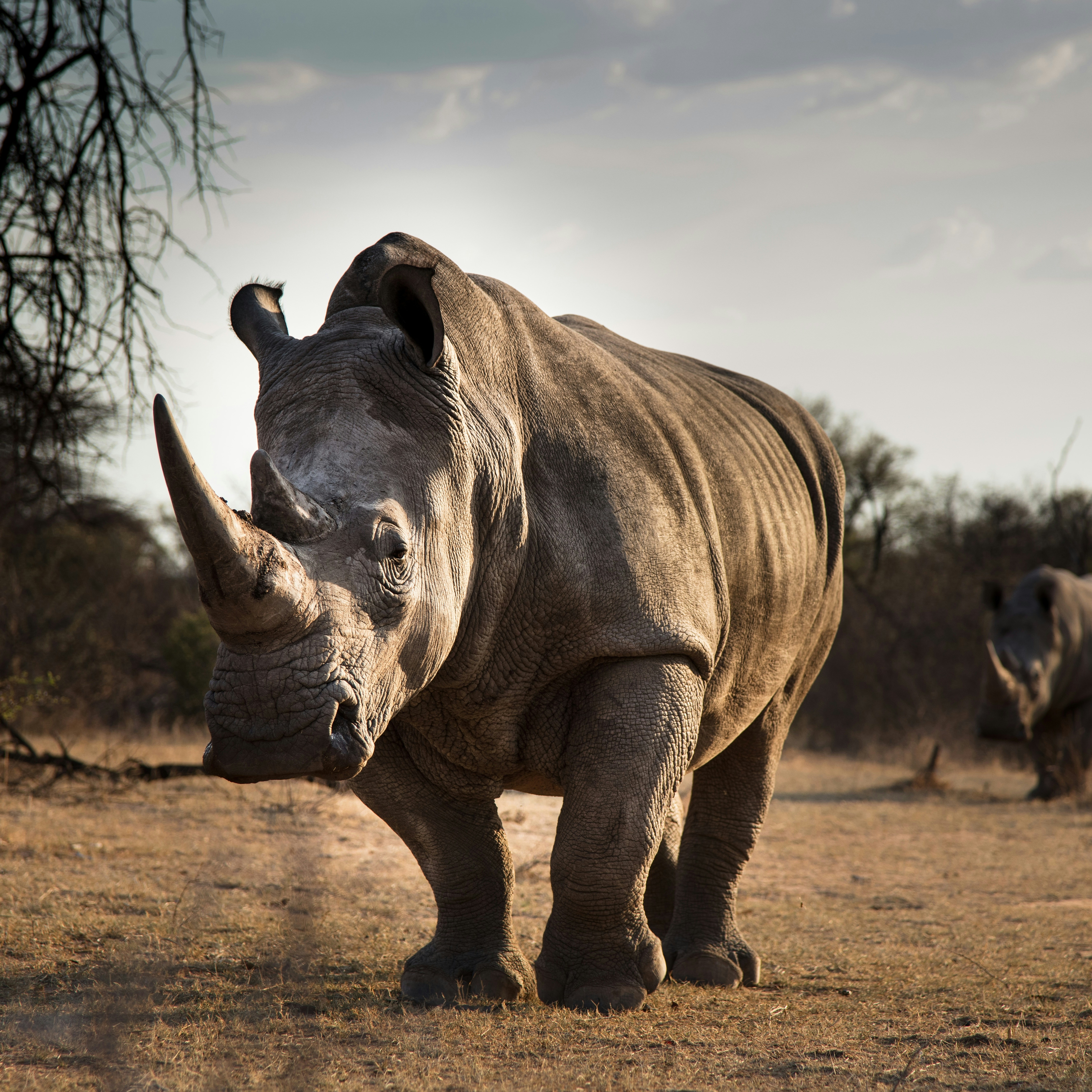
They are usually calmer to observe on safari and are often seen in small groups, especially females with calves. In Kenya, white rhinos are reliably seen in Ol Pejeta Conservancy and Lake Nakuru National Park.
The Northern White Rhino (Kifaru Mweupe wa Kaskazini): On the Brink of Extinction
The northern white rhino (kifaru mweupe wa kaskazini) is one of the rarest animals on Earth. As of March 2026, Ol Pejeta Conservancy publicly states that only two remain, both female and both under constant armed protection.
Scientists and conservation teams continue to work on advanced reproductive efforts in the hope of preventing total extinction. Visiting Ol Pejeta offers one of the world's most powerful wildlife conservation experiences because it connects travelers directly to this ongoing rescue effort.
The Difference Between Black Rhinos (Vifaru Weusi) and White Rhinos (Vifaru Weupe)
- Mouth shape: Black rhinos (vifaru weusi) have a pointed lip for browsing, while white rhinos (vifaru weupe) have a wide mouth for grazing.
- Size: White rhinos (vifaru weupe) are significantly larger and heavier.
- Behavior: Black rhinos are more solitary and defensive, while white rhinos are generally calmer and more social.
- Feeding habits: Black rhinos browse shrubs and branches, while white rhinos mainly graze on grass.
Best Places to See Rhinos (Vifaru) in Kenya
Kenya is one of the best countries in Africa for rhino safaris because rhino protection is so strong and sightings are concentrated in well-managed areas.
Lake Nakuru National Park is one of the most reliable parks for both black and white rhinos. It is fenced, protected and well known as a rhino sanctuary.
Ol Pejeta Conservancy is a leading rhino conservation destination and one of the best places in Kenya to learn about both black and white rhinos as well as the northern white rhino rescue story.
Maasai Mara National Reserve also supports black rhinos, though sightings are typically less frequent than in Nakuru or Ol Pejeta.
Rhino (Kifaru) Conservation in Kenya
Kenya has become a global leader in rhino conservation through strict anti-poaching laws, well-trained ranger units, fenced sanctuaries, veterinary monitoring and technology such as tracking systems and close population management.
Community involvement is also essential. When tourism creates real local economic value, conservation becomes more durable and more widely supported. Conservancies, park authorities and local communities all play a role in keeping rhino protection effective over the long term.
Why Rhinos (Vifaru) Matter
Rhinos (vifaru) are keystone species. Their grazing and browsing behavior influences vegetation structure, which in turn affects other animals and wider biodiversity. Protecting rhinos therefore helps protect entire ecosystems rather than just a single iconic species.
Their survival also symbolizes successful conservation under extreme pressure. Every rhino seen on safari in Kenya represents years of protection, habitat management and long term recovery work.
Rhino (Kifaru) Safaris: What to Expect
Rhino (kifaru) sightings often require patience and good guide awareness, especially in larger landscapes. The strongest windows are usually early morning and late afternoon, when temperatures are cooler and rhinos are more active.
The reward is substantial. Watching a rhino move through bush, graze in open ground or stand alert in a protected sanctuary is one of the most powerful wildlife moments Kenya can offer. It feels quieter, rarer and more consequential than many routine safari sightings.
Responsible Tourism and Rhino Protection
Responsible tourism directly supports rhino conservation when travelers choose reputable safari operators and protected destinations. Visitor spending helps fund ranger protection, habitat management, veterinary work and community partnerships.
Good rhino viewing also depends on discipline. Keep a safe distance, avoid loud noise, follow ranger guidance and respect all park rules. These practices reduce stress on the animals and help keep viewing standards ethical.
Plan a Rhino (Kifaru) Safari with Finix Adventures
Finix Adventures can help design a Kenya safari around strong rhino destinations such as Lake Nakuru, Ol Pejeta and wider multi park routes that combine rhino sightings with other major wildlife goals.
Conclusion
Rhinos (vifaru) are among the most extraordinary animals in Kenya, representing both the beauty of the wild and the urgency of conservation. From the solitary black rhino (kifaru mweusi) to the massive white rhino (kifaru mweupe) and the critically endangered northern white rhino (kifaru mweupe wa kaskazini), each tells a story of survival against immense pressure.
A rhino safari in Kenya is more than a wildlife outing. It is an encounter with one of the world's most important conservation efforts and a reminder that responsible travel can directly support the future of one of Earth's most iconic species.