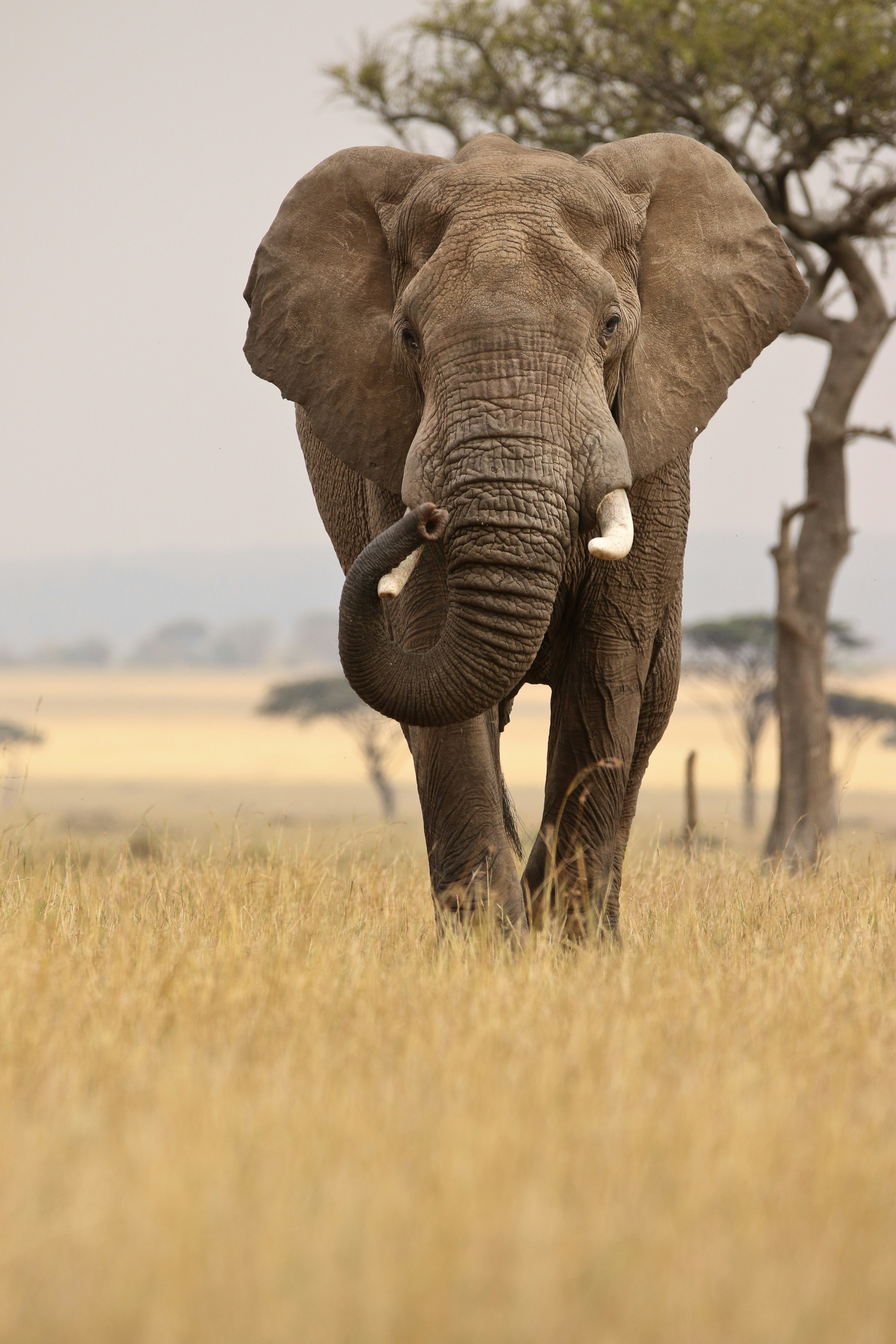
Built around rescue and care
The orphanage grew from practical rescue work for young elephants that had lost their mothers and needed intensive human-supported care to survive.
Sheldrick works best inside a broader Nairobi Safari Tour. It gives travelers a more emotional, education-led stop after the park drive, showing how rescue, rehabilitation and long term elephant care fit into Kenya's wider wildlife conservation effort.
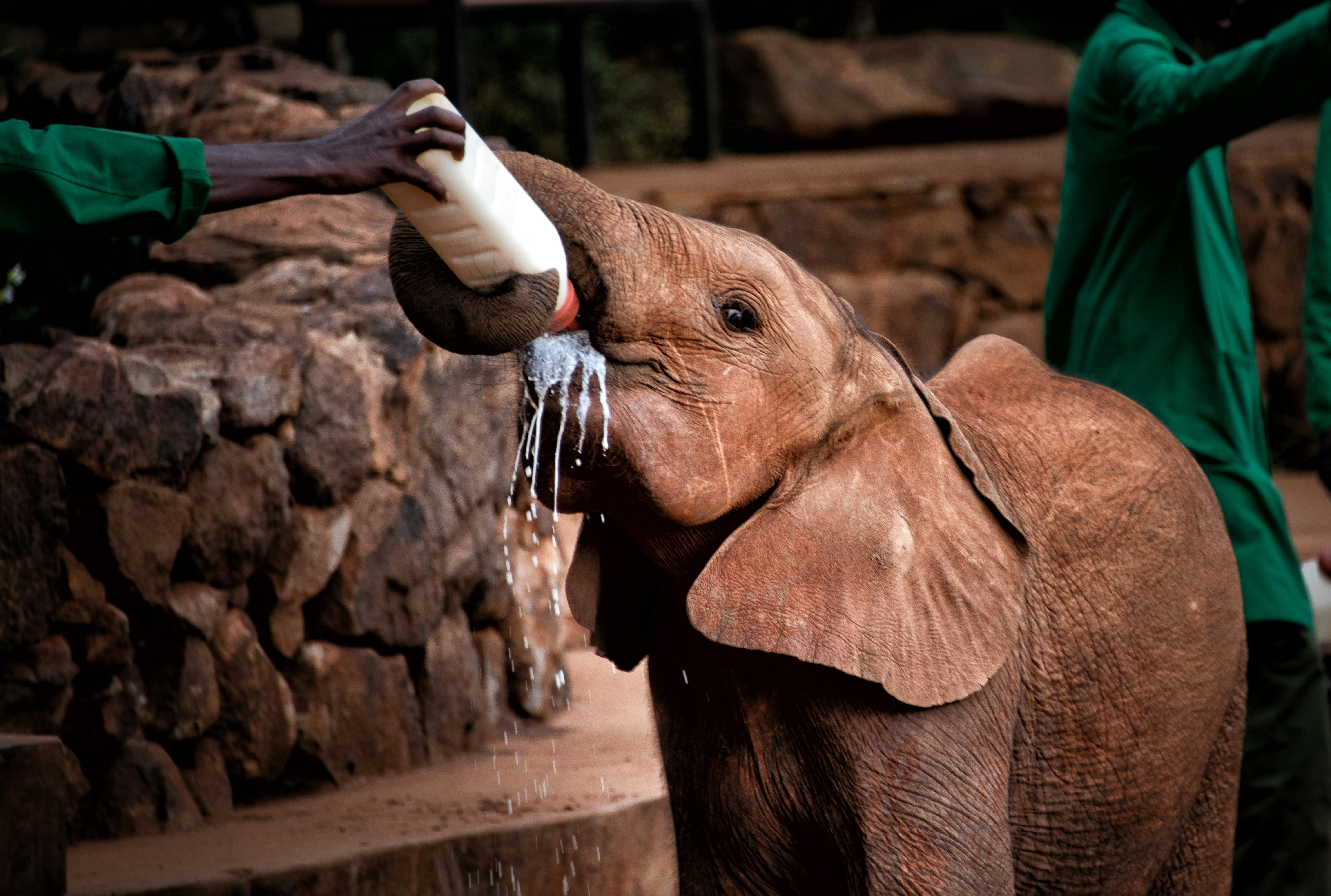
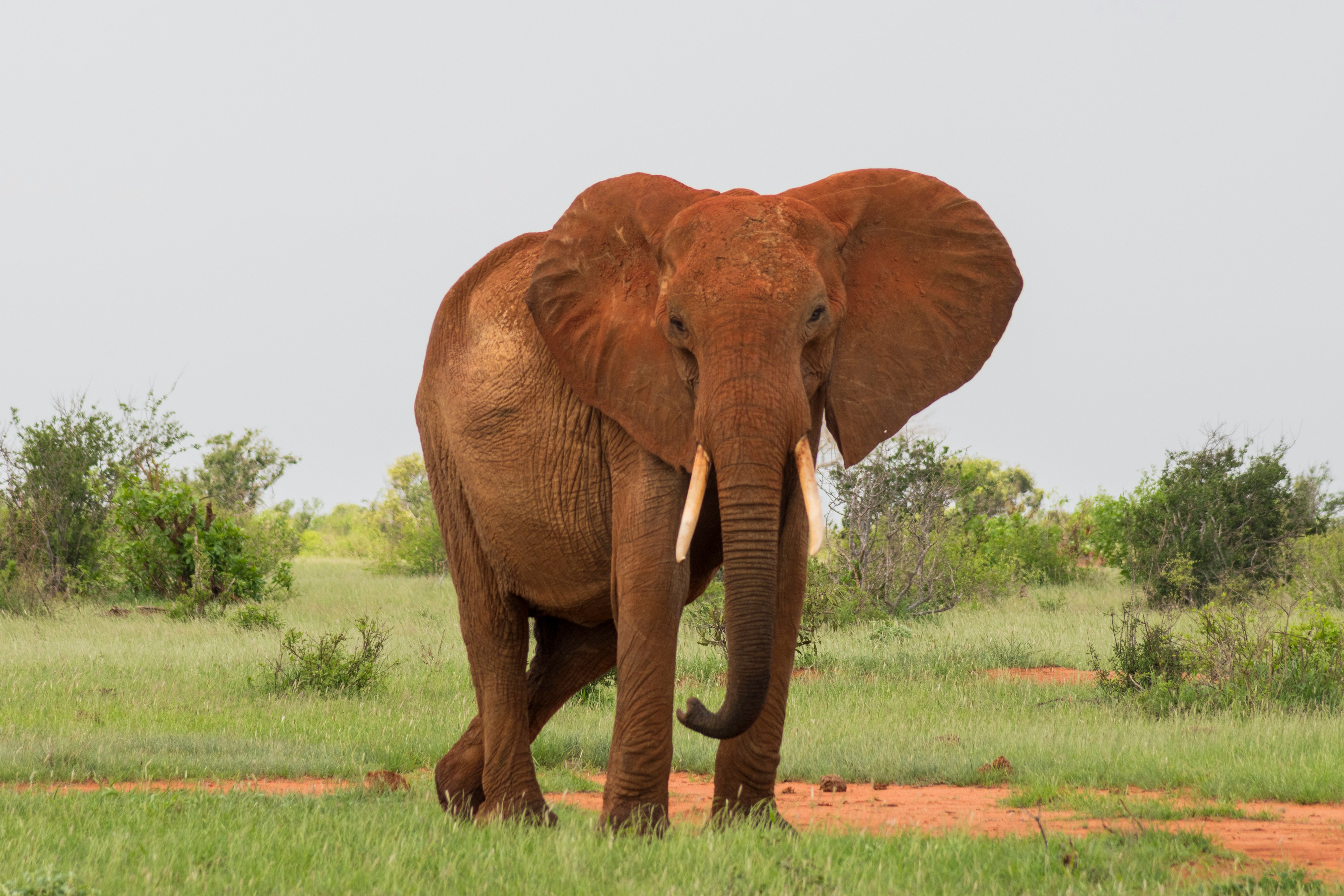
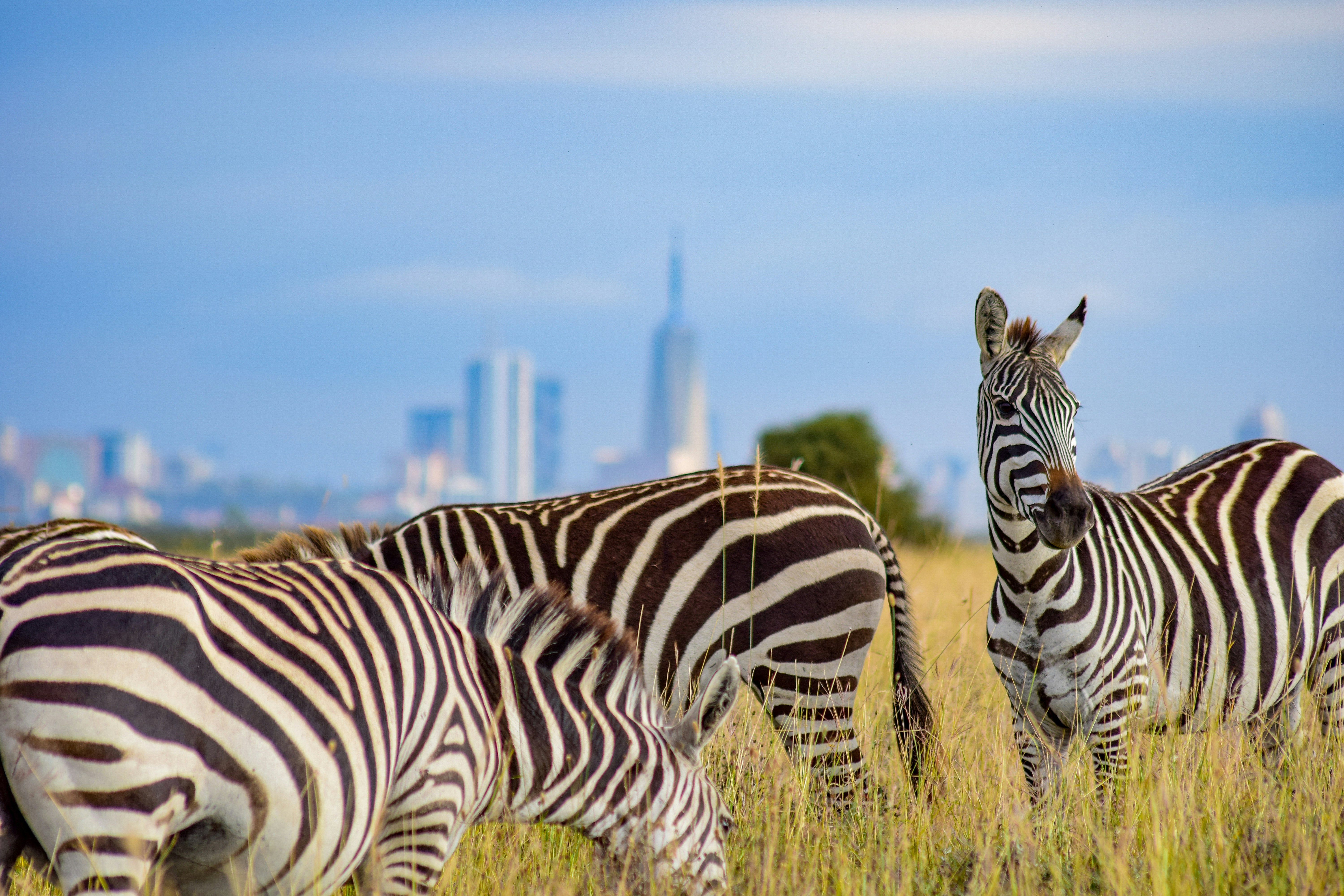
The orphanage is one of Nairobi's strongest conservation touchpoints because it shows wildlife care in process, not only wildlife in the abstract. That makes it valuable both operationally and emotionally inside a Nairobi route.
The orphanage grew from practical rescue work for young elephants that had lost their mothers and needed intensive human-supported care to survive.
The care model is gradual. Feeding, keeper support and later reintegration take time, which is part of why the site carries real conservation weight.
Guests do not only hear about wildlife loss and recovery. They see the care environment, the keepers and the visible progress of rescued elephants.
Sheldrick usually works best after the park drive, when travelers have already seen wildlife in the landscape and are ready for a more human, conservation led layer to the day. That sequencing matters because the stop is most meaningful when guests can connect the elephants in care to the broader ecosystems they have already visited.
The public session typically includes time to observe young elephants feeding, moving through the viewing area, and interacting with their keepers while staff explain rescue stories and progress. The result is often more personal than a standard attraction stop, which is why it remains one of the strongest Nairobi add ons for families and first time visitors.
Operationally, it also gives Finix a reliable way to build a fuller Nairobi day without relying only on vehicle-based wildlife viewing. That makes the route more balanced for guests who want conservation meaning, softer pacing and more variety in the city.
The stop works best when it is positioned intentionally, not treated as a disconnected page or standalone booking button.
Start with Nairobi National Park at sunrise, then move into Sheldrick to give the day a more reflective conservation finish after the game drive.
Pair Sheldrick with Giraffe Centre when the guest wants animal care, education and easy urban logistics rather than a longer park heavy program.
Use Sheldrick as one piece of a broader city and wildlife day when guests want tailored pacing, museum or Karen-area stops and a more premium itinerary design.
The strongest Sheldrick bookings sit inside the Nairobi Safari Tour or a custom Nairobi proposal. That keeps the stop aligned with the rest of the city route instead of sending travelers into an older standalone booking page.
