The Samburu Special Five: Kenya's Rare and Remarkable Wildlife
Kenya is famous for the Big Five, but northern Kenya holds another remarkable wildlife group that is far less known and just as rewarding. The Samburu Special Five includes species that are specially adapted to the arid north and rarely seen in Kenya's more visited southern parks.
What Makes the Samburu Special Five Unique?
Unlike the Big Five, which were grouped historically around hunting difficulty, the Samburu Special Five are known for their geographical exclusivity. They are closely tied to the dry landscapes of northern Kenya and are most often seen in places such as Samburu National Reserve, Buffalo Springs National Reserve and Shaba National Reserve.
Their adaptations to heat, sparse vegetation and limited water make them especially fascinating for wildlife enthusiasts and photographers. Seeing all five during a northern safari is widely considered one of Kenya's most satisfying wildlife achievements.
Grevy's Zebra: The Largest and Rarest Zebra
Grevy's zebra is the largest and rarest zebra species. It stands out from the common plains zebra through its narrower stripes, white belly and larger rounded ears, giving it a more mule-like appearance.
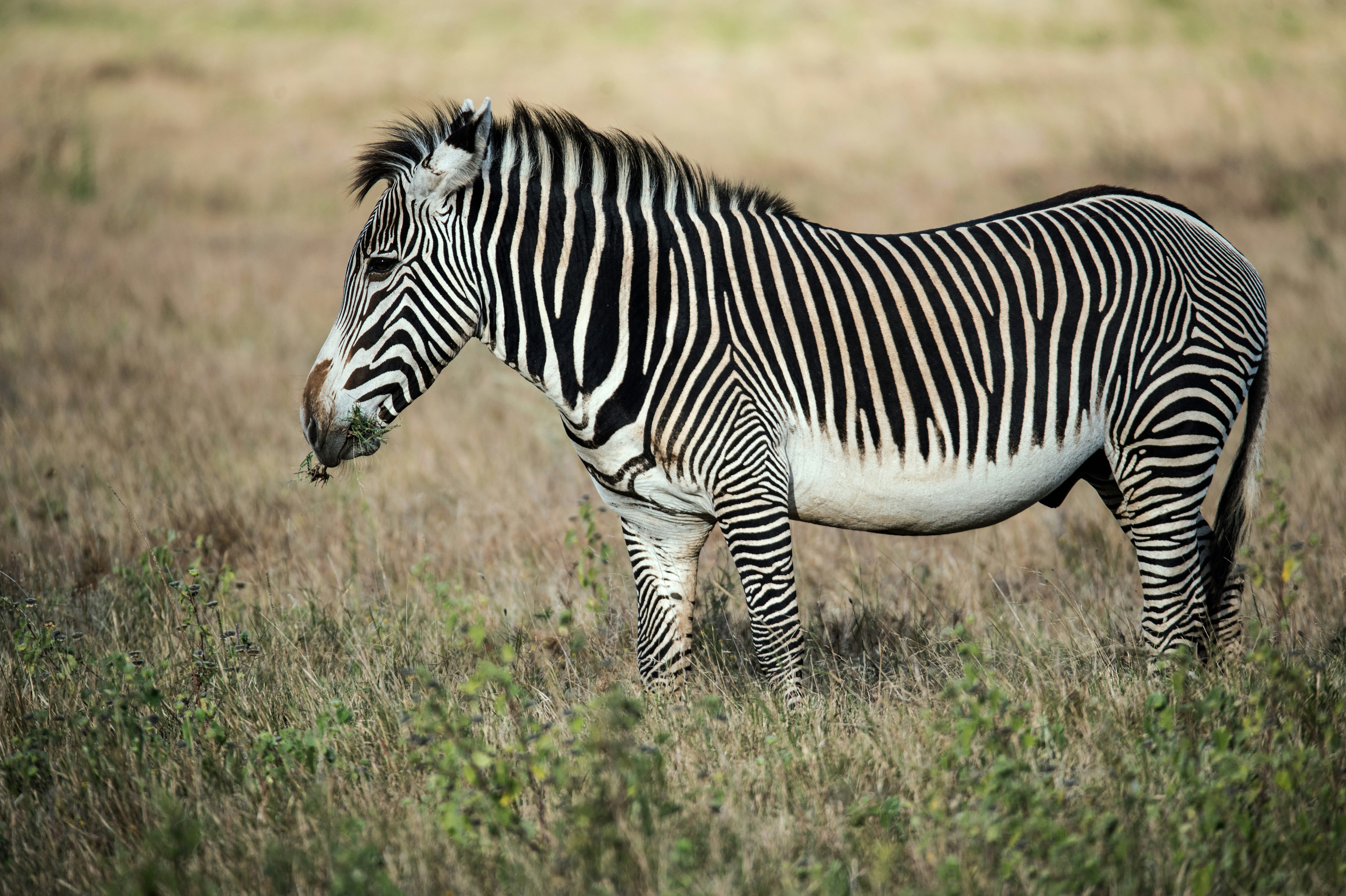
This species is well suited to northern Kenya's dry conditions and can survive longer without water than other zebra species. Its declining population also makes every sighting meaningful from a conservation perspective.
Reticulated Giraffe: A Living Work of Art
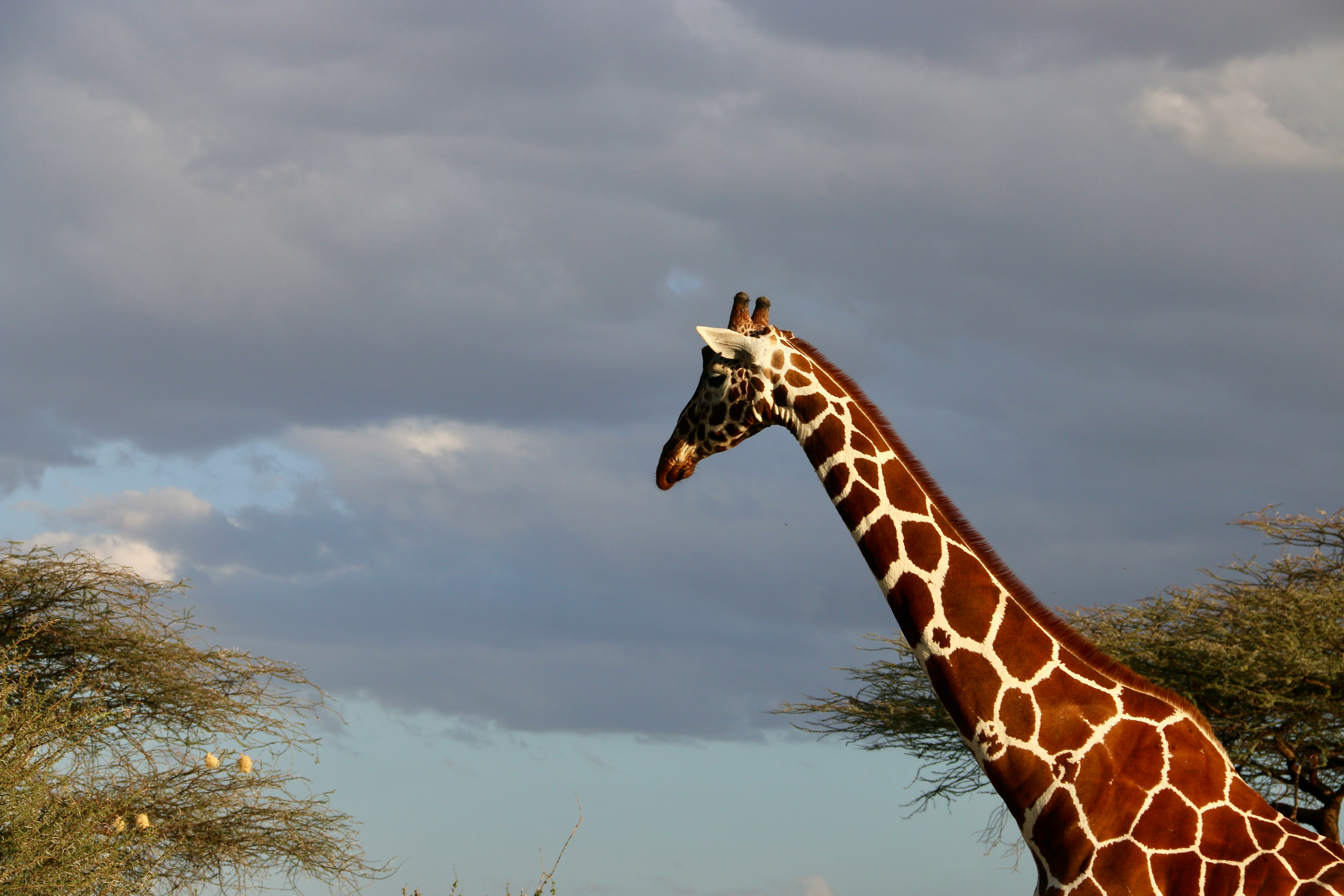
The reticulated giraffe is one of Africa's most visually striking animals. Its coat is marked by bold polygonal patches separated by bright white lines, creating the net-like pattern that gives the species its name.
Found mainly in northern Kenya and neighboring parts of the Horn of Africa, it thrives in dry savannah and open woodland where it feeds on acacia leaves. Its height, elegant movement and strong coat pattern make it a favorite among safari photographers.
Gerenuk: The Giraffe Gazelle
The gerenuk is one of the most unusual antelopes in Africa. It is known for its long neck and for standing upright on its hind legs to browse leaves and shoots beyond the reach of many other herbivores.
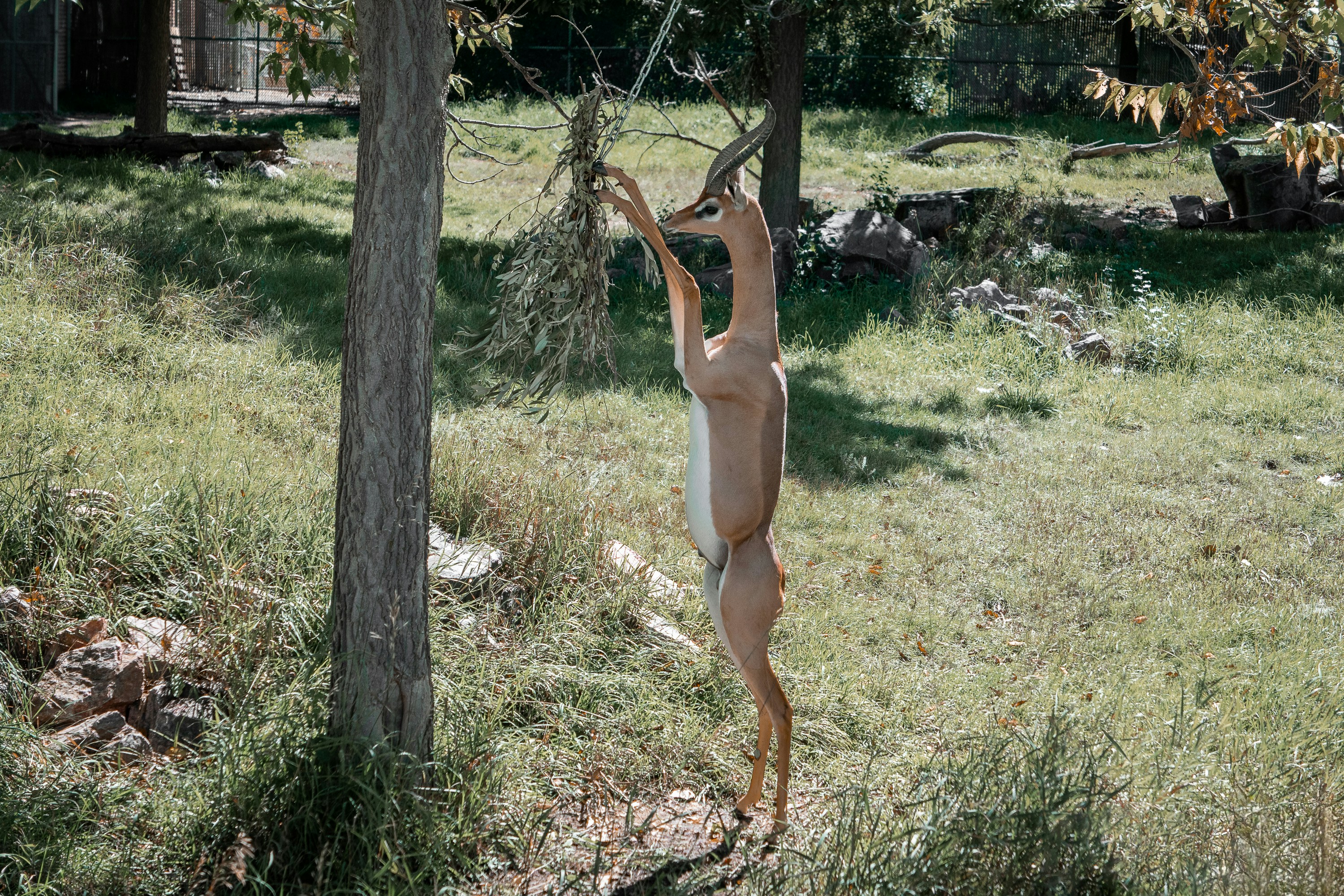
This feeding strategy gives it a clear survival advantage in dry country habitats. Gerenuks are often shy and can be easy to miss, which makes a clear sighting especially memorable.
Somali Ostrich: The Blue-Necked Giant
The Somali ostrich differs from the more common Maasai ostrich through its coloration, especially in males, which show a striking blue neck and legs. It is a true northern species and strongly associated with the drier habitats of the Samburu region and beyond.
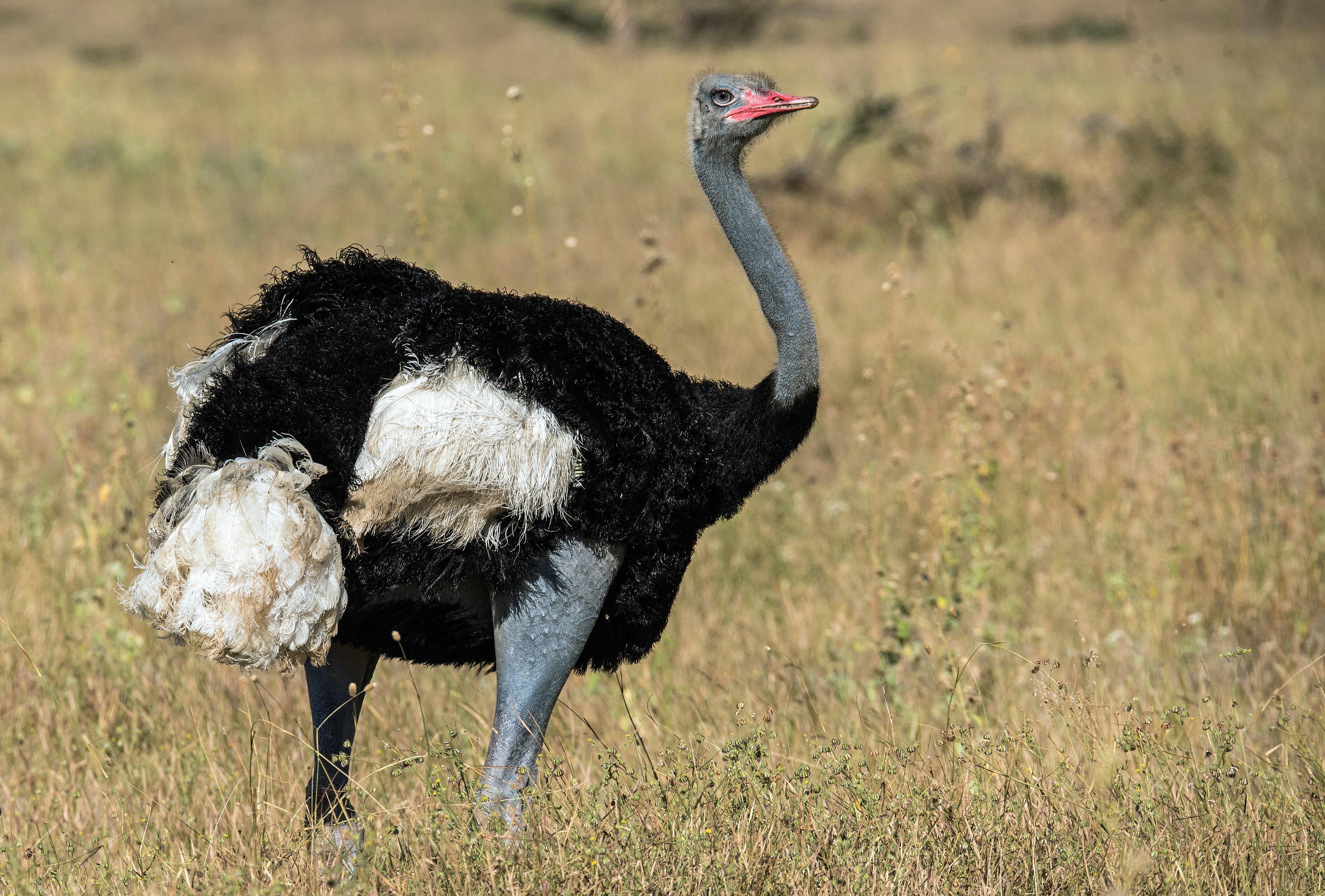
Like the other animals in this group, it is highly adapted to heat and limited water. Its speed, size and distinct coloring make it one of the most recognizable birds in northern Kenya.
Beisa Oryx: The Desert Survivor
The Beisa oryx is a beautifully adapted antelope with long straight horns, a pale coat that reflects heat and a bold facial pattern. It can survive for long periods without direct water by extracting moisture from the plants it consumes.
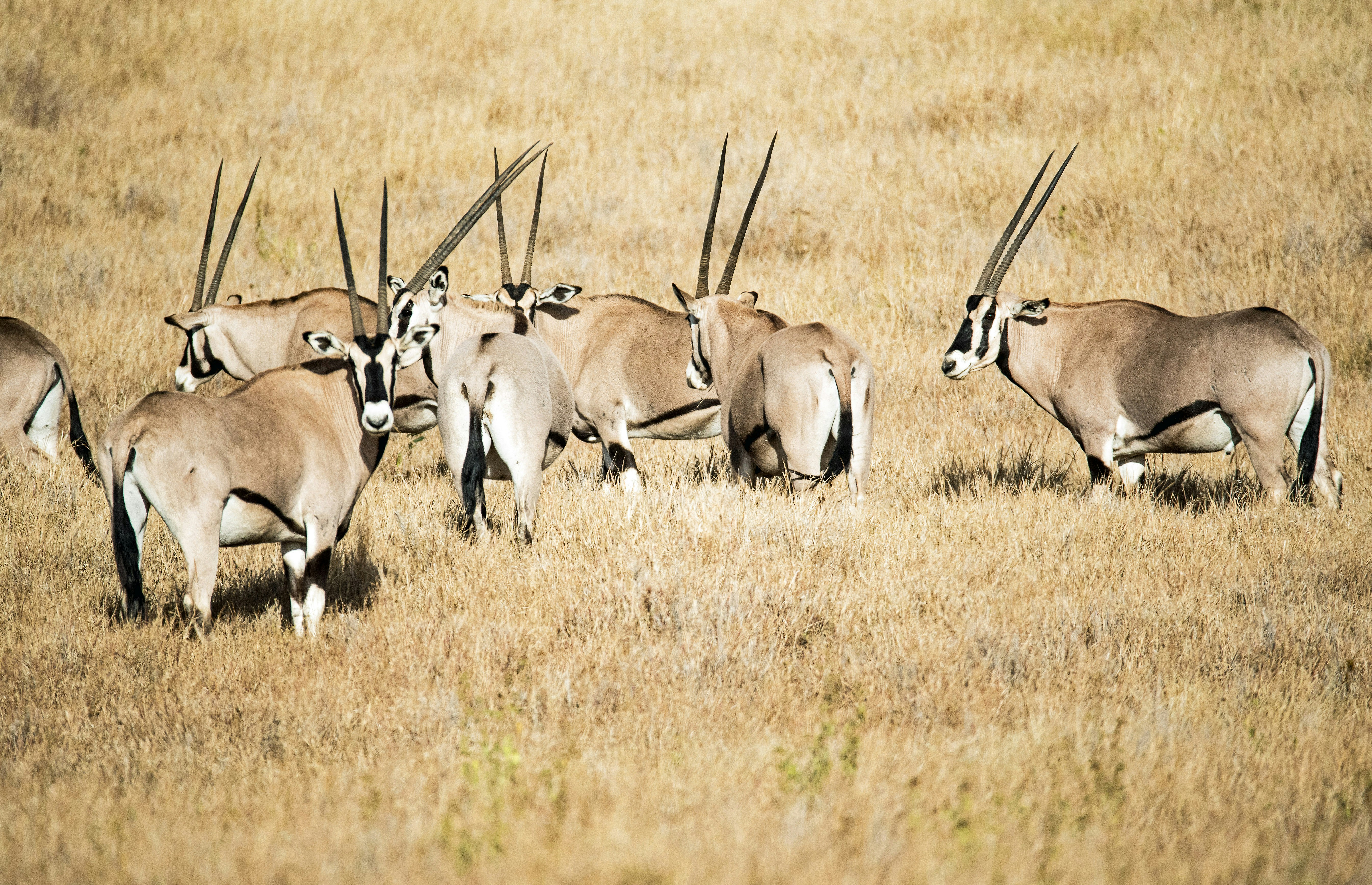
Often seen moving in small herds across open country, the Beisa oryx represents the resilience of life in some of Kenya's harshest wildlife environments.
Where to See the Samburu Special Five
The best places to see the Samburu Special Five are the protected areas of northern Kenya, especially Samburu National Reserve, Buffalo Springs National Reserve and Shaba National Reserve. Together, these reserves form the heart of the wider Northern Safari Circuit.
These parks are less crowded than the southern circuit, which means sightings often feel more exclusive and relaxed. The Ewaso Nyiro River also helps concentrate wildlife, particularly during drier months.
Why the Samburu Special Five Matter
These species are more than a checklist. They represent the ecological richness of northern Kenya and highlight just how different the country's dry country ecosystems are from the savannah systems farther south.
Many of these animals face pressure from habitat loss, climate stress and human wildlife conflict. Their continued survival depends on active conservation, protected habitats and responsible tourism that supports those landscapes.
Combining Wildlife and Culture
One of the strongest reasons to experience the Samburu Special Five in person is that the region also offers meaningful cultural depth. Northern Kenya is home to the Samburu people, whose relationship with wildlife and land adds another layer to the safari experience.
A safari here is not only about rare animal sightings. It is also about seeing how culture, conservation and wildlife coexist in one of Kenya's most distinctive landscapes.
Plan a Samburu Safari with Finix Adventures
Finix Adventures can help build a northern Kenya route that maximizes your chances of seeing the Samburu Special Five while balancing wildlife viewing, cultural encounters and comfortable travel pacing.
Conclusion
The Samburu Special Five offer a fresh perspective on Kenya's wildlife. From the elegant reticulated giraffe to the unusual gerenuk and the resilient Beisa oryx, each species tells a story of adaptation, survival and beauty in a challenging dry country environment.
For travelers willing to move beyond the usual safari routes northern Kenya offers a quieter, more intimate and more distinctive wildlife experience. The Samburu Special Five are one of the strongest reasons to venture north and discover a side of Kenya that many visitors never see.